So You're Thinking About Going Vegan
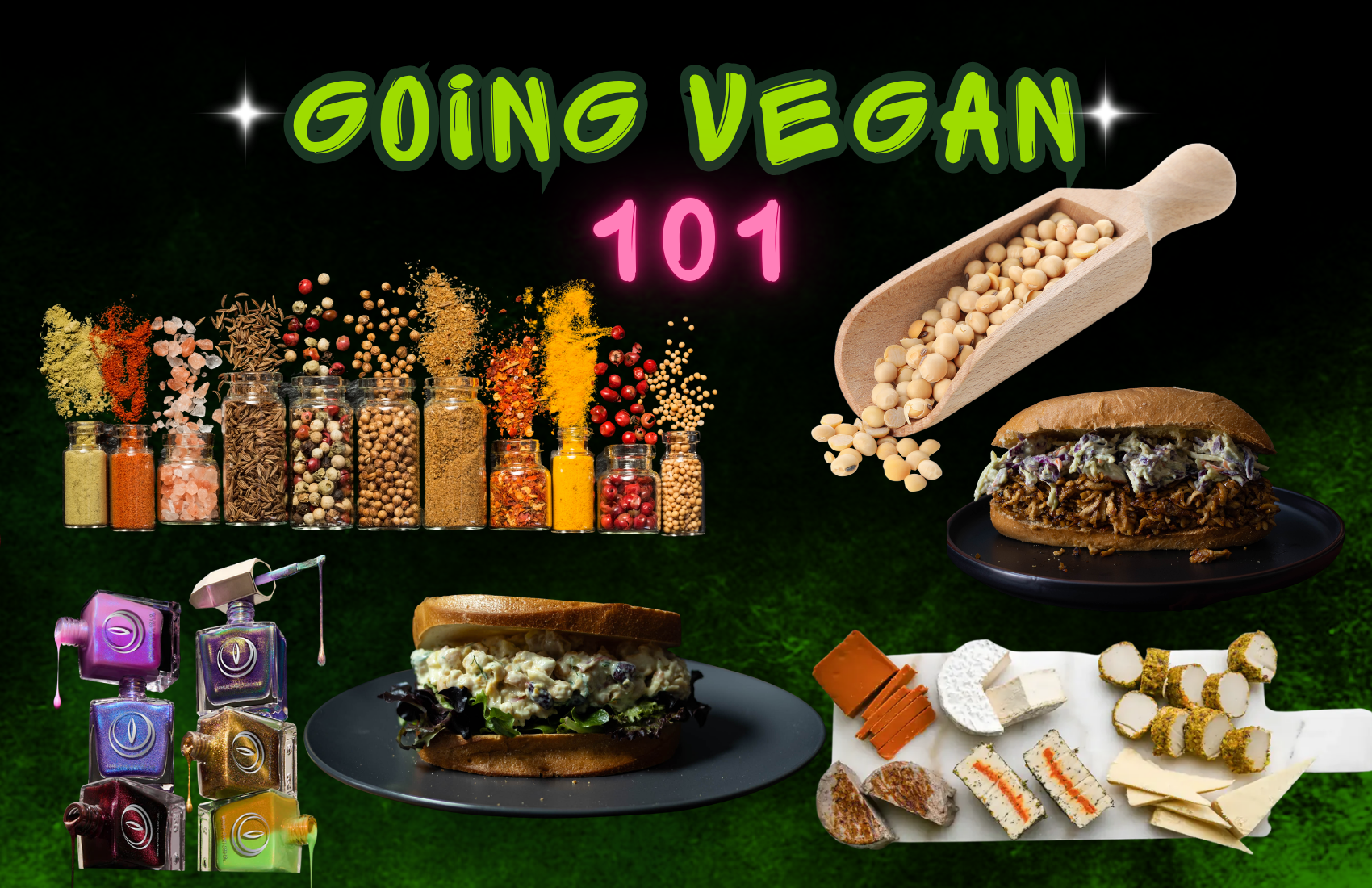
If you're reading this, hopefully that means you're considering going vegan or maybe you've already decided to go vegan and just need a little help. Either way, welcome! Hopefully this article will answer a lot of the questions you have and provide some good resources for you to get started!
Plant-based vs Vegan
Before we get started, I think it's important to discuss plant-based vs. vegan. These two terms often get used interchangeably, and while the diets are pretty similar, the motivations behind them can be pretty different.
Veganism
Vegans eat a fully plant-based diet, meaning no animals or animal products. That said, veganism is not just a diet, and extends far beyond food. Vegans avoid exploiting animals for any purpose, so this also includes clothing, makeup, accessories, home items, etc. (we will get into more of these details later on).
The definition of veganism from the Vegan Society:
Veganism is a philosophy and way of living which seeks to exclude—as far as is possible and practicable—all forms of exploitation of, and cruelty to, animals for food, clothing or any other purpose; and by extension, promotes the development and use of animal-free alternatives for the benefit of animals, humans and the environment. In dietary terms it denotes the practice of dispensing with all products derived wholly or partly from animals."
Plant-based
A plant-based diet mostly focuses on foods from plants, such as fruits, vegetables, whole grains, beans, nuts and seeds. A plant-based diet doesn't necessarily mean that you never eat meat or dairy, so you'll often here a range of people saying they're plant-based. They might be 100% plant-based or just mostly plant-based and trying to reduce their animal product consumption.
You may also see a plant-based label on food packages or in restaurants. Once again, this might not mean 100% plant-based, especially if it says something like "10 grams of plant-based protein". Morningstar, which sells vegan and vegetarian options, has a bad habit of labeling food as "plant-based" even though it might contain eggs and dairy.
A Whole Food Plant Based (WFPB) diet focuses on eating foods that come from plants and are as close to their natural state as possible. It basically avoids heavily processed foods on top of avoiding animal products. This diet typically excludes oils, artificial additives, vegan meat and dairy alternatives and vegan "junk food". A WFPB diet is usually adopted for health reasons. There is also a raw plant-based/vegan diet that focuses on raw, whole plant-based foods.
Someone may be plant-based for their own health, the environment/sustainability, cost, animal welfare, etc. Vegans, specifically, care about animal exploitation, but someone who is trying to reduce animal harm and can't go fully vegan for whatever reason, may adopt a mostly plant-based diet.
That said, whatever your reasons are for starting your plant-based or vegan journey, we are really happy you're here!
What isn't vegan?
When you're shopping for food, a lot of vegan products now have a certified vegan label or the V label. You should feel comfortable buying these products. As mentioned earlier, a "plant-based" label is nearly meaningless if you're shopping for vegan food and you should always check the ingredient label. Similarly, a vegetarian, non-dairy or dairy-free label also does not mean that the product is necessarily vegan.
We will start off easy with the more obvious things that wouldn't be considered vegan. It's not vegan to consume animals or animal byproducts. This includes meat, dairy and eggs, but there are some other animal-based ingredients you need to watch out for as well. I will often just Google to see if product is vegan, and you'll typically find an article on whether or not it is, especially if it's a larger brand. The FAQ section of the product's website is also a good place to look.
Foods that aren't vegan
Gelatin
Gelatin is made from animal skin and bones. It's often found in gummy candies, marshmallows, Jell-O (and other desserts with that texture), as well as some ice creams and yogurts. There are some gummy candies that don't use gelatin, like Trader Joe's Scandinavian Swimmers, and instead use carnauba wax which is vegan.
Some vitamins and pills may also use gelatin for their capsule, so if you can, buy ones that say vegan-friendly. These will typically use capsules made from plant cellulose of fermented tapioca or starch.
Gelatin can also show up in hair care products, face masks and moisturizers.
Animal glue, which is similar to gelatin, can show up in all kinds of things unfortunately. Animal glue is actively used in the paper manufacturing process, so sometimes toilet paper and paper towels have gelatin. We like the brand Who Gives a Crap, which is vegan.
Carmine
Carmine is a red pigment that is made by crushing female cochineal insects (small bugs that live on cacti). You might see it in red food items (candies, yogurts, ice creams), and cosmetics like lipstick and eyeshadows. If you're already buying something that has a vegan label, this won't be a problem, but could be in things you might think are "accidentally vegan".
Casein
If you're someone who is familiar with protein powders, you probably already know that casein is not vegan, but I wanted to add it to this list in case you didn't know. Casein is a milk protein, and is sometimes shows up in non-dairy creamers.
Bone Char
In the U.S., bone char is used to process some white refined cane sugar, brown sugar and confectioner's sugar. To avoid this, buy certified organic or vegan-certified sugars. Sugar is added to so many things, so I wouldn't personally spend a lot of time stressing about this, even PETA agrees.
Honey
This one seems to come up a lot, but honey is not considered vegan. If you'd like to learn more about this, we put together a whole blog post on the subject!
Shellac
Shellac, sometimes called Confectioner's Glaze, is a secretion from the female lac bug that's used to give a shiny coating to candies, sprinkles and fresh fruits. Don't worry! There are lots of vegan candies and sprinkles that don't use shellac!
Beeswax
Similarly to honey, beeswax is also not considered vegan. This can be used in foods and also home goods like candles.
Anchovies
While it's obvious that anchovies aren't vegan (because they're an animal), it's worth mentioning because they are hidden in foods pretty regularly. Anchovies are often used in Worcestershire Sauce, and Caesar Dressing (even some non-dairy ones).
L-Cysteine
Cysteine is an amino acid derived from animal hair or feathers. Sometimes it hides in commercial bread products as "dough conditioner".
Lanolin
Vitamin D3 is often derived from lanolin, which is a greasy substance extracted from sheep's wool. This one can show up in all kinds of crap, like fortified cereals, dairy-free butters and supplements.
Isinglass
Isinglass is a form of collagen sourced from the dried swim bladders of fish. It mostly shows up as a processing aid in alcoholic drinks like beer, wine and hard cider.
Albumen
Albumen is derived from egg whites. This could show up in wines, ciders, beers, sorbets or frozen fruit desserts, and bakery items like breads, pretzels, and buns.
Collagen
Collagen is an animal protein that does not occur in plants. It has unfortunately grown in popularity and is now being added to juices, functional waters, protein bars, protein snacks, gummies, marshmallows and of course beauty products.
Tallow
Tallow is just another word for animal fat. Unfortunately, this one has gotten popular too, and is showing up in all kinds of stuff. If you're eating somewhere with fried foods, I would strongly recommend asking them what they use to fry their foods before ordering anything fried (even french fries are no longer safe). Tallow also shows up in soap, lip balms and lotions.
Lard
Lard is rendered pork fat, and you're probably thinking you're safe from that, right? Maybe not though. Lard is used in many commercially canned and restaurant refried beans. Make sure you check the label and also check with any restaurants you're eating at before you order the refried beans. Lard can also show up in tortillas, pie crusts, baked goods and some peanut butter.
Materials that aren't vegan
Food is a big part of veganism, but it's not everything. There are many materials used in clothing, accessories, shoes, home goods, etc. that are also not vegan.
Wool & Cashmere
Down & Feathers
Leather & Suede
Fur & Shearling
Angora & Mohair
Silk
I’m a Chemical Engineer by trade, but love cooking in my kitchen and coming up with new recipes! I also like knitting in straight lines (I can only make scarves and blankets lol), listening to music (rock and Taylor Swift), hiking and disc golfing!
I went vegetarian when I was 12 years old after a middle school teacher of mine mentioned that he was vegetarian for a few years when he was in the Peace Corps. Before then, I had never heard of or met a vegetarian and didn’t know I had a choice in whether or not I ate meat. Several years ago, I read the book “Eating Animals” and immediately went vegan after finally realizing the horrific realities of the dairy and egg industries (spreading awareness is hugely important because many people really have no idea).
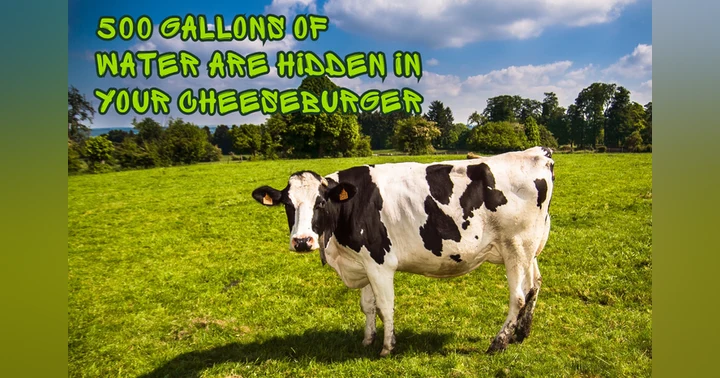
How Much Water is Hidden in a Cheeseburger?