Why Isn't Honey Considered Vegan
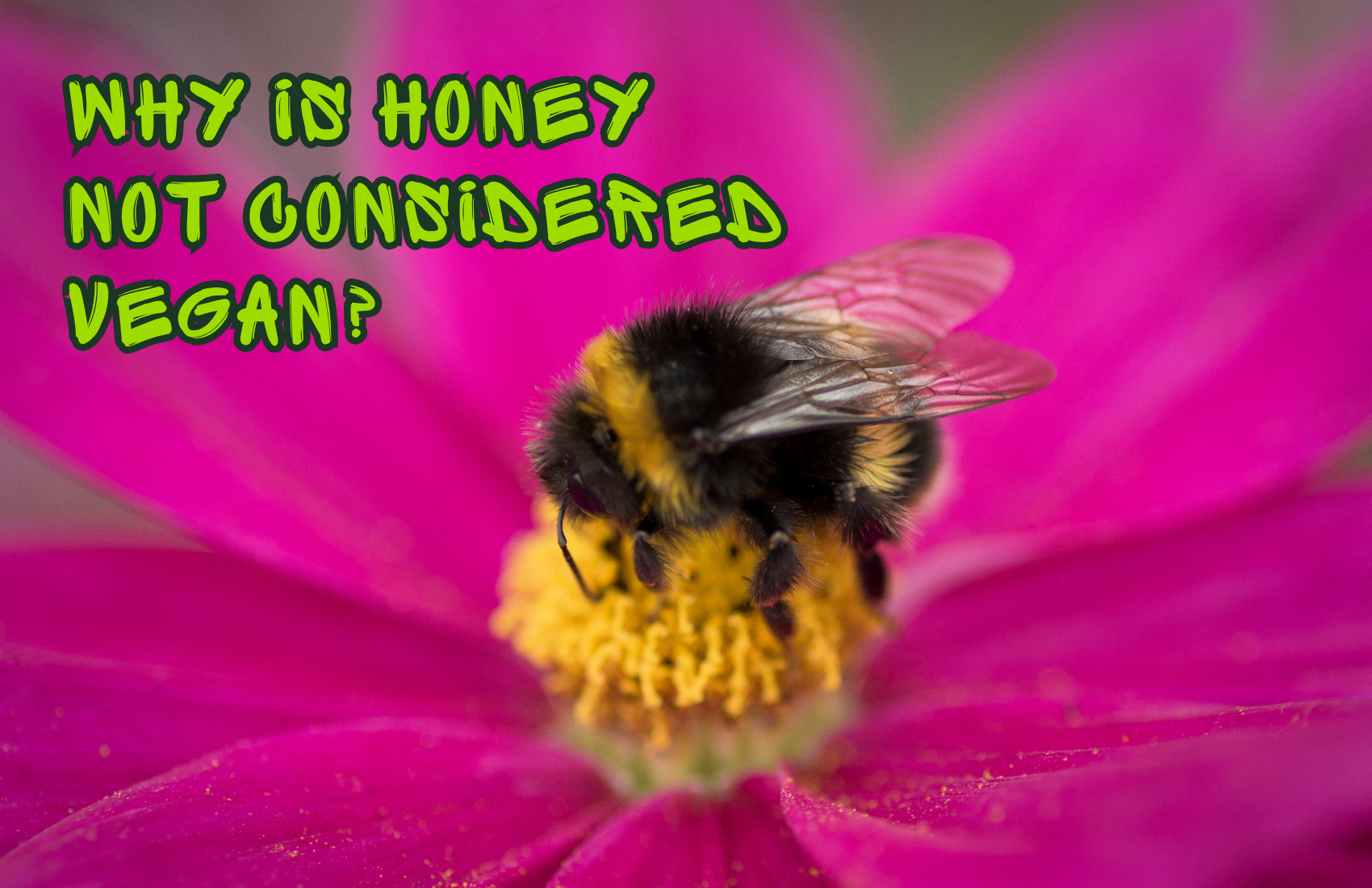
If you're new to veganism, or perhaps just unfamiliar with veganism and honey production, you might wonder why honey isn't considered vegan. When I first went vegan, I stopped consuming honey because I knew I was supposed to, but I didn't actually look into why I shouldn't be eating it until a few months in.
To understand why honey isn't vegan, we should cover what veganism is. From the Vegan Society, "Veganism is a philosophy and way of living which seeks to exclude—as far as is possible and practicable—all forms of exploitation of, and cruelty to, animals for food, clothing or any other purpose; and by extension, promotes the development and use of animal-free alternatives for the benefit of animals, humans and the environment. In dietary terms it denotes the practice of dispensing with all products derived wholly or partly from animals."
Most people assume that bees aren't harmed or killed in the process of producing honey, so they don't understand how the non-vegan definition applies. We will get into how commercial honey is produced later, but as a general note, using bees to make something for humans is a form of animal exploitation. People will counter this and say "Bees are naturally making honey anyways, so why does it matter if we take some?", to understand why this doesn't matter, we must first understand why bees make honey.
Why do bees make honey?
This seems obvious, but bees make honey for themselves. It's their primary food source. Bees keep large stores of honey to survive the winter, droughts, poor flowering seasons, raising bee babies, and fueling the entire bee colony. Bees are always prepared for the worst case scenario, and work hard to make enough honey to ensure that they will make it through the worst conditions. What make look like excess honey that humans "should be able to take" is actually carefully made and stored rations for when things get bad.
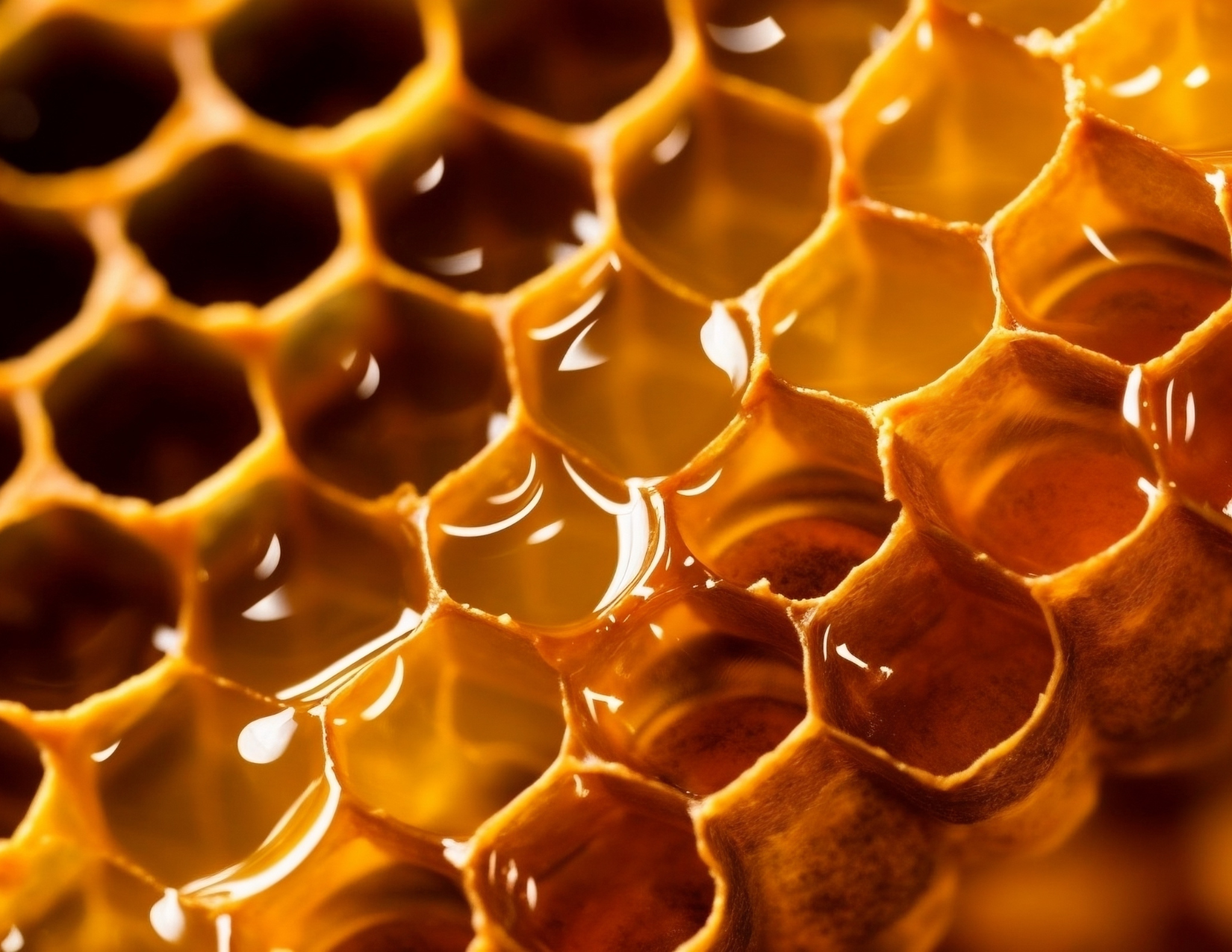
How is honey made?
Now we know why bees make honey, let's get into all the complexities of making the honey.
- Worker bees collect nectar from flowers.
- The worker bees fly all the way back to their hive.
- The bees regurgitate the nectar over and over again, and pass it between multiple bees.
- The enzymes in their mouths break down the complex sugars and turn them into simple sugars.
- The bees use their wings to dry the honey and evaporate any excess water.
- They seal it in wax combs so that it can stay fresh for long periods of time.
- Side note: young female worker bees (12 - 18 days old) make wax by consuming honey and converting its sugars into wax inside their bodies. This liquid wax is secreted through special abdominal glands, and hardens into tiny flakes upon contact with the air. They chew and mold the wax into hexagonal honeycombs cells. This is also why vegans do not use beeswax.
A single bee can only produce about 1/12 teaspoon of honey in their entire lifetime, and tens of thousands of bees must work together to produce the honey stores for a single hive.
What happens in commercial honey production?
In case you still feel uncertain if stealing an animal's main source of food is harmful and exploitative, let's talk about what actually goes into commercial honey production.
The Stealing of the Honey
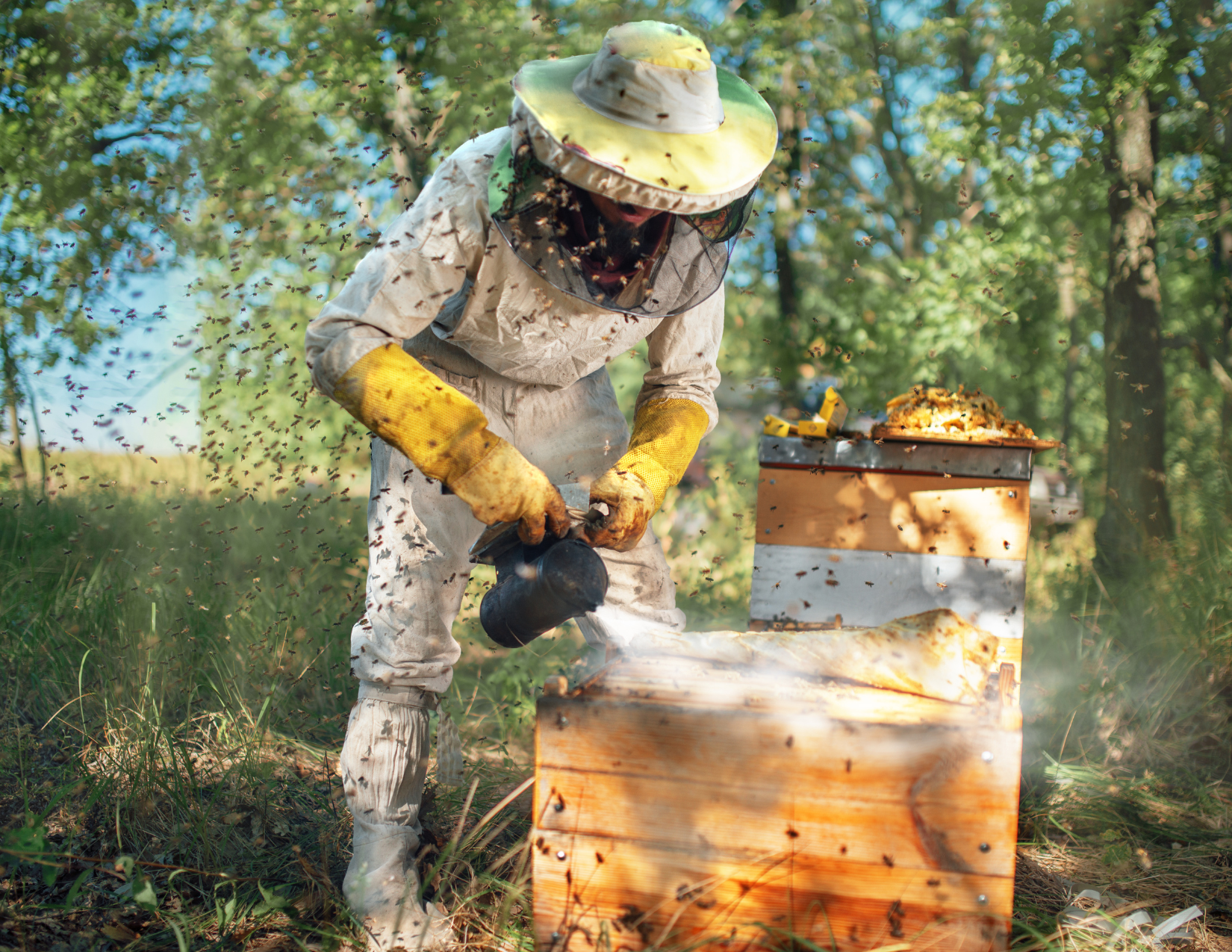
Beekeepers use smoke on the bees to keep them calm. The smoke makes the bees believe that their home is on fire, and that all of the food that they have worked so hard to make is going to be gone. This causes them to gorge themselves on honey. They will get so full on honey, that they become less defensive, and that's when beekeepers will go in and steal the honey. Beekeepers are intentionally manipulating the bees to have a stress response so that they can steal their food.
When the bees realize that large amounts of their honey is gone, this actually stresses them out again, because they realize that they no longer have enough to survive all of the worst case scenarios that they have been preparing for. This causes them to work even harder to re-make that honey.
"Replacing" the honey
The beekeepers will often replace the honey with an inferior substitute for the bees, the most common being corn syrup or sugar syrup. Honey contains things like enzymes, amino acids, antioxidants, some nutrients and antimicrobial properties that keep the bees healthy and well fed. Corn syrup and sugar syrup don't offer anything other than calories and sugar.
Other common commercial honey production practices
I want to clarify that not all beekeepers do the next things I'm going to discuss, but these are common commercial honey production practices.
- Artificial insemination of the queen bees. They do this to gain absolute control over the bee genetics.
- Clipping the queen's wings. This is so the queen is unable to fly away and take her colony of bees with her. She's basically being held hostage and the other bees won't abandon their queen.
- Replacing the queen often to maximize productivity. As queen bees age they produce less eggs, which means a smaller workforce. Replacing the queen frequently ensures that there are as many worker bees as possible. This often involves killing older queens.
- Male drones are often removed because they are consuming resources without producing honey. This means they kill them.
- There are accidental deaths. Bees are crushed during inspections, killed by machinery, and trapped during transport.
- There are also intentional deaths. Sometimes entire colonies of bees are intentionally killed after pollination contracts are up because it's cheaper to get new bees than it is to maintain the existing ones during the off-season.
With all of that, I think it's pretty obvious that there is harm in commercial honey production, which is why it's not considered vegan.
Environmental concerns
There is a lot of green-washing when it comes to commercial honey production. Did you know that honey bees are not the only bees and that they're also not the only pollinators? Honey bees are managed as livestock in many parts of the world so that humans can steal their honey, but there are actually a lot of native bees as well. There are bumble bees, mason bees, leaf-cutter bees, mining bees, sweat bees, and carpenter bees.
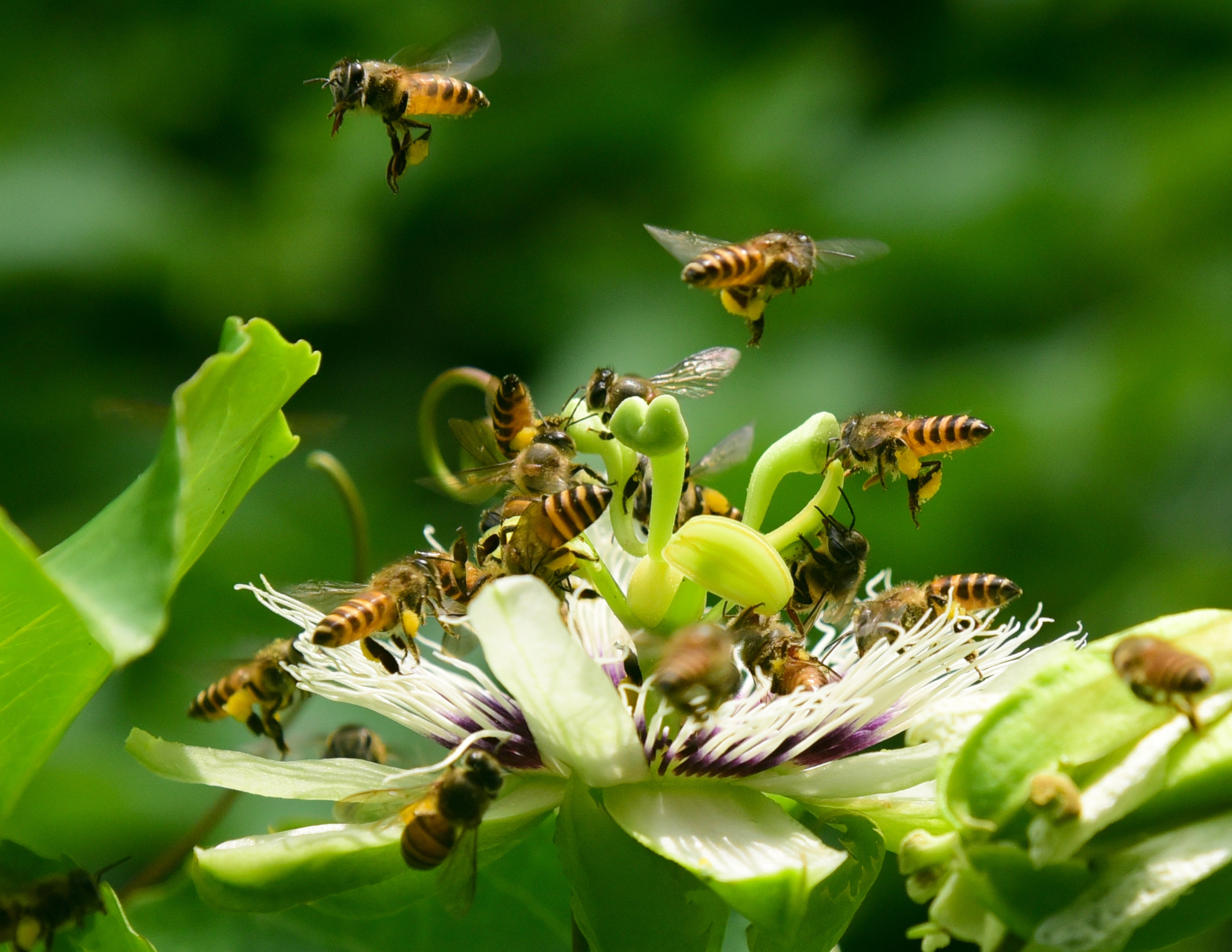
A lot of native bee populations are decreasing, and high densities of honey bees can actually be bad for the other native bees.
- Honey bees compete with native bees for nectar and pollen.
- Honey bees can spread parasites and diseases.
- Honey bees alter plant-pollinator interactions.
- Having too many honey bees can hurt the natural biodiversity. Biodiversity is especially important when it comes to the pollinators. Parasites and diseases can wipe out one species in an area, and if there aren't others around, the crops we rely on for human survival may not get pollinated.
Honey Alternatives
Even if you're buying locally from beekeepers who seem to genuinely care for their bees, and don't intentionally kill their bees, we're still taking food that was never meant for us from animals who spend their entire lives working hard to keep their colony fed.
If you're ready to stop using honey, there are a lot of alternatives to honey that you can use instead!
- Maple Syrup
- Agave Syrup
- Date Syrup
- Brown Rice Syrup
- Sorghum Syrup
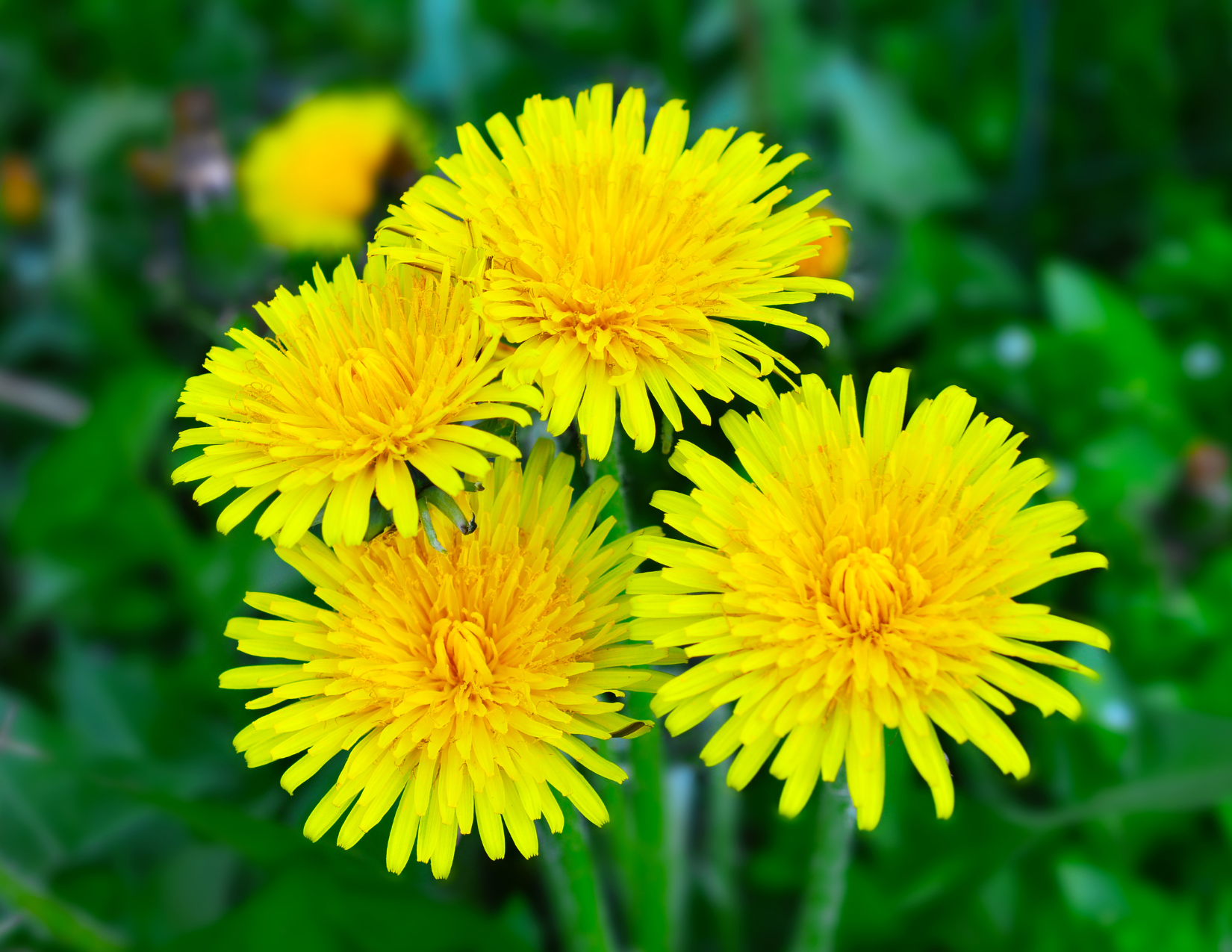
- Dandelion Honey - you can make this yourself!
- Apple Honey - you can make this yourself too!
- Bee-free Vegan Honey - there are quite a few vegan honey brands popping up lately, and they usually taste pretty close to the real thing!
Things you can do
Protecting the native pollinators is usually more beneficial long-term than managing honey bee colonies. Here are some things you can do yourself to help protect the bees!
- Use honey alternatives.
- Plant native wildflowers.
- Avoid broad-spectrum pesticides (this can kill the bees).
- Leave some areas in your yard less manicured so that they can nest.
- Grow flowering plants that bloom across multiple seasons.
I’m a Chemical Engineer by trade, but love cooking in my kitchen and coming up with new recipes! I also like knitting in straight lines (I can only make scarves and blankets lol), listening to music (rock and Taylor Swift), hiking and disc golfing!
I went vegetarian when I was 12 years old after a middle school teacher of mine mentioned that he was vegetarian for a few years when he was in the Peace Corps. Before then, I had never heard of or met a vegetarian and didn’t know I had a choice in whether or not I ate meat. Several years ago, I read the book “Eating Animals” and immediately went vegan after finally realizing the horrific realities of the dairy and egg industries (spreading awareness is hugely important because many people really have no idea).
Is leather a byproduct?