Veganism and Monocropping
If you exist in vegan spaces, you may have seen something about vegans and mono cropping. At a high level, the anti-vegan argument will say that vegans are somewhat responsible for current mono cropping and that a fully vegan world would be impossible because there would be even more mono cropping, which would destroy more land (like the rain forest).
We think it's important to de-bunk myths around veganism and to dispel misinformation so that we can continue having impactful conversations that don't get side-tracked by the smoke and mirror tactics often used by anti-vegans.
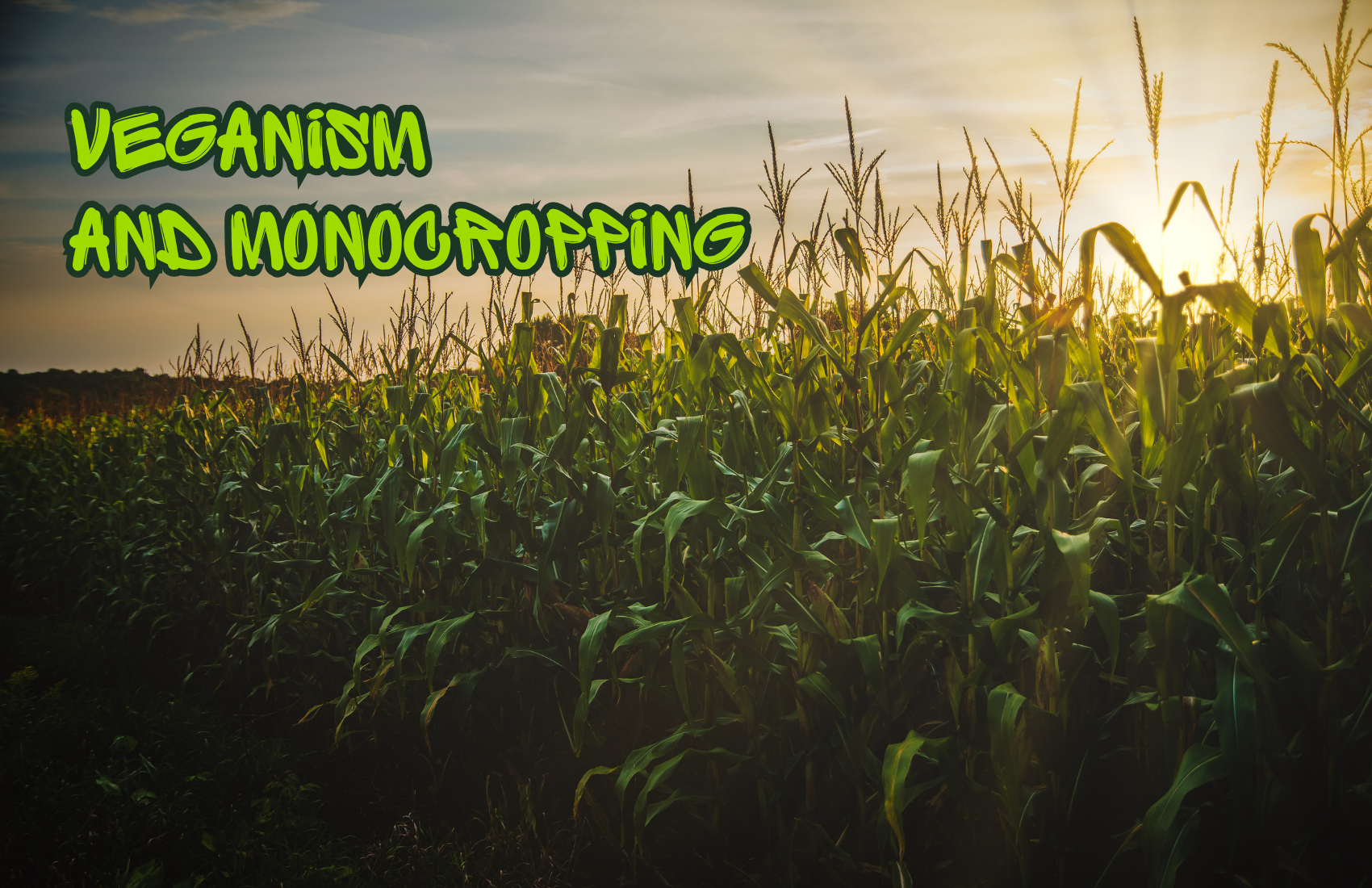
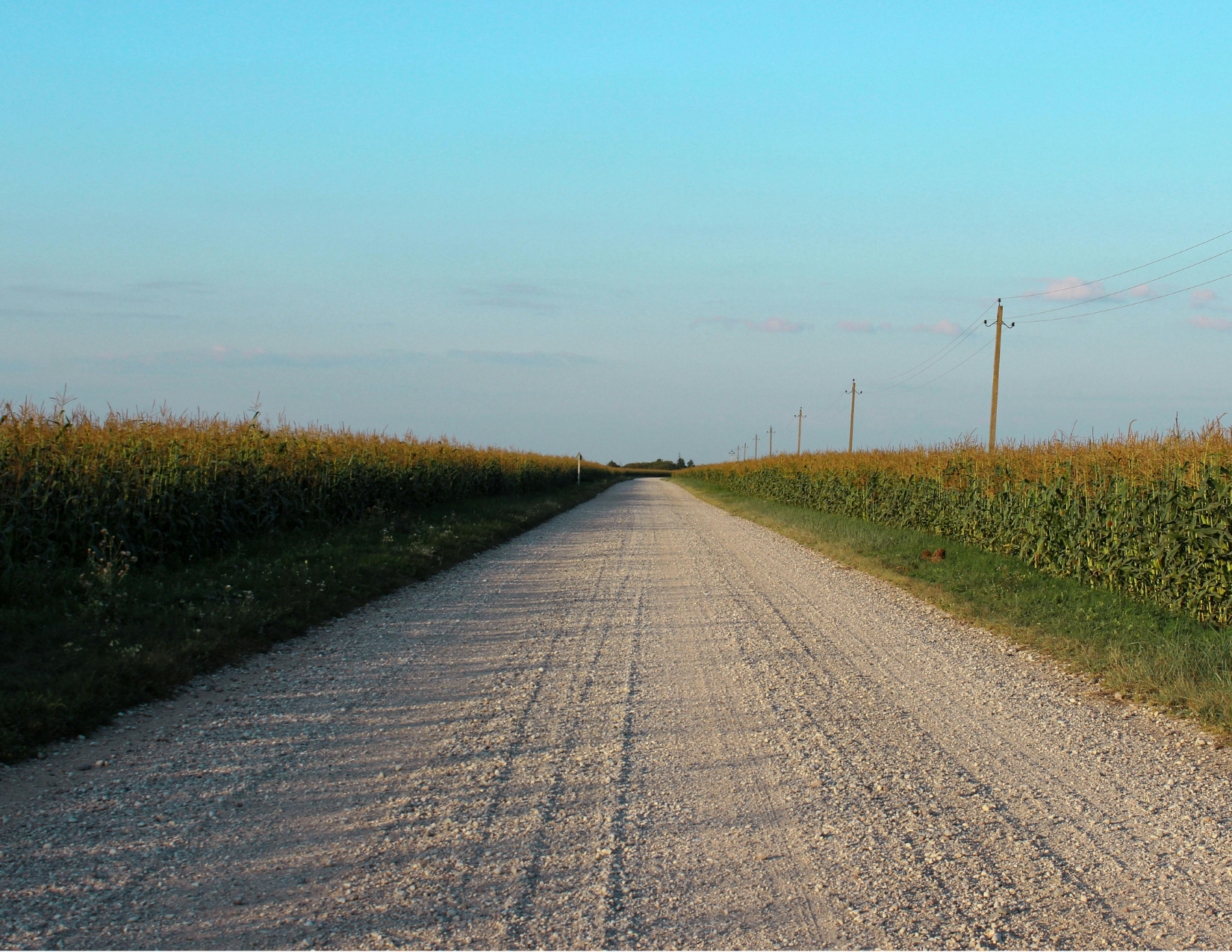
First things first, mono cropping (also known as monoculture agriculture) is the practice of growing a single crop on the same piece of land year after year. If you're from the US and have ever driven through states like Iowa or Indiana, you know what I'm talking about. Miles and miles of corn. One of the few things you can count on in life is that if you go back to that same stretch of road a decade from now, that corn will still be there. It's like that with soy bean fields in the US and Brazil too.
Why do we mono crop?
If you're like me, you're probably wondering how we got here.
Mono cropping kind of took off around the 1950/1960s as a way to address hunger throughout the world by increasing agricultural production. Basically, the plan was to develop effective pesticides and herbicides, use synthetic fertilizer, breed "high yield varieties" of the crops and invent farm equipment that was super efficient. For all of these things to work together, we had to change how we used the land.
Back in the day, most farmers would plant a variety of crops like grains, pulses, nuts, vegetables, fruits and herbs. With the changes, that wasn't as profitable anymore. All of the new technology only really works if you're farming and harvesting the same crop at a large scale (think production line at a factory). The large, expensive machines that were designed were very specialized for one crop, so you almost had to specialize in what you were growing because most farmers couldn't afford a bunch of different machines. So, farmers increased the number of acres they were farming, specialized in one crop, and were able to produce a lot more food with a lot less labor, which increased yields and profits too.
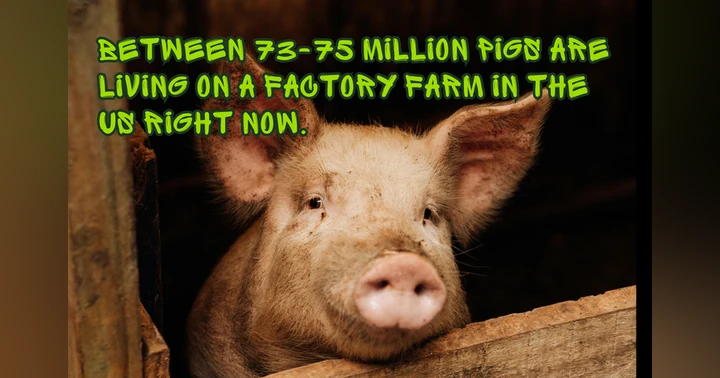
The popularity of mono cropping also went hand-in-hand with the increase in factory farming (which started in the 1920s but didn't include cows until the 1960/1970s). If you didn't know, factory farming relies on concentrated feeding operations, and the majority of the world's corn and soy (which are mono crops) are fed to livestock. It's unlikely that the animal agriculture industry could've gotten as large as it has without mono cropping.
Mono crops are almost always the crops that the government subsidizes, which has further influenced farmers to move towards mono cropping and away from more traditional farming practices. According to Food Revolution, one out of every five dollars earned by US farmers comes directly from government payouts. This is kind of crucial for most farmers as it can help buffer any potential income losses from things like a bad harvest season, market crash, crop disease, etc.
Why is mono cropping bad?
Now that we've covered how mono cropping became the standard, I think it's probably pretty obvious that vegans weren't the originators, but let's cover the actual issues with mono cropping.
Soil degradation
Repeated planting of one singular crop can deplete nutrients, reduce organic matter and increase erosion. Soil degradation and erosion can exacerbate the issues with climate change because the land loses it's natural ability to retain soil and water, making it less able to withstand fires, pests and extreme weather events.
Increased dependence on pesticides
Because mono cropping involves planting just one crop, you sometimes end up attracting specialized pests. This makes farmers more likely to use pesticides. Pesticides are similar to antibiotics in a way. Basically, pests will develop a resistance to pesticides, which requires new pesticides to be formulated and you end up in a continuous cycle of developing stronger pesticides. Because farmers are only planting one crop, they become very dependent on pesticides to the point where it's actually pretty risky to farm without them. One bad pest infestation could mean economic disaster for a farmer.
Pesticides can affect pollinators, insects that are beneficial to the soil and soil organisms. According to the United Nations Food and Agricultural Organization, over one million species of plants and animals are endangered, including many insect pollinators. Of the 20 fastest growing crops, 16 of them require pollinators. This could be particularly impactful on developing nations like Africa, Asia and South America. Seems like we should be doing a better job of protecting the pollinators, right?
Biodiversity loss
When we replace native diverse ecosystems with corn, soy and wheat, we are basically creating deserts. This pushes animals and native plants outside of their natural habitats.
Water issues
Mono cropping results in increased runoff, fertilizer pollution and contribution to dead zones. One example of this is the hypoxic "dead zone" in the Gulf of Mexico; it's heavily influenced by the nutrient runoff from the Mississippi watershed. This is obviously bad for humans and animals alike.
Crop deaths
There are unintentional deaths of insects, birds, and small mammals caused by modern agricultural practices, such as harvesting, tilling and pesticide uses. This is what efficiency gets you.
Ok, but why are vegans getting dragged into this conversation?
We covered what mono cropping is, why it's bad, so now it's time to cover why vegans are always getting dragged into these conversations. Some common arguments you may have heard go something like this:
- "Soy destroys the rain forest, vegans eat soy, vegans are driving mono cropping needs and destroying the rain forest"
- "If the world went vegan, every cow pasture would become a soy field"
- "The world can't go vegan because we'd require waaayyy more crops"
- "Harvesting mono crops kills animals so eating a plant-based diet isn't cruelty-free anyways" - this one is the anti-vegan fan favorite.
A lot of these click-bait-y one-liners are missing a ton of context and relevant information (which I'm sure is a surprise to no one). All of these criticisms assume that vegans are the only ones consuming mono crops like corn and soy. This is likely because the vast majority of people are completely oblivious to how our food systems actually work and what crops are used for.
The crop death one basically just says that harm reduction as much as reasonably possible doesn't matter. If you get a flat tire, you might as well just drive your car off of a cliff and call it a day. I personally think that doing as much as you can does matter, and I'm sure if you're reading it, you probably feel the same.
Do vegans eat all the mono crops?
What does the data actually show?
US Corn, 2020 Data:
- 39% - animal feed
- 27% - ethanol
- 17% - exports
- 7% - animal feed (from ethanol byproducts - dried distillers grain)
- 5% - sweeteners
- 2% - starch
- 1.5% - cereal
- 1% - beverages
From this data, you'll see that only 10% of all US-grown corn goes to human food in the US. We can't quantify what the exports are being used for and some of that could be human food. Even if that entire 17% was going to human food oversees, animal feed is still the largest consumer of all US corn.
- 20% - direct human food
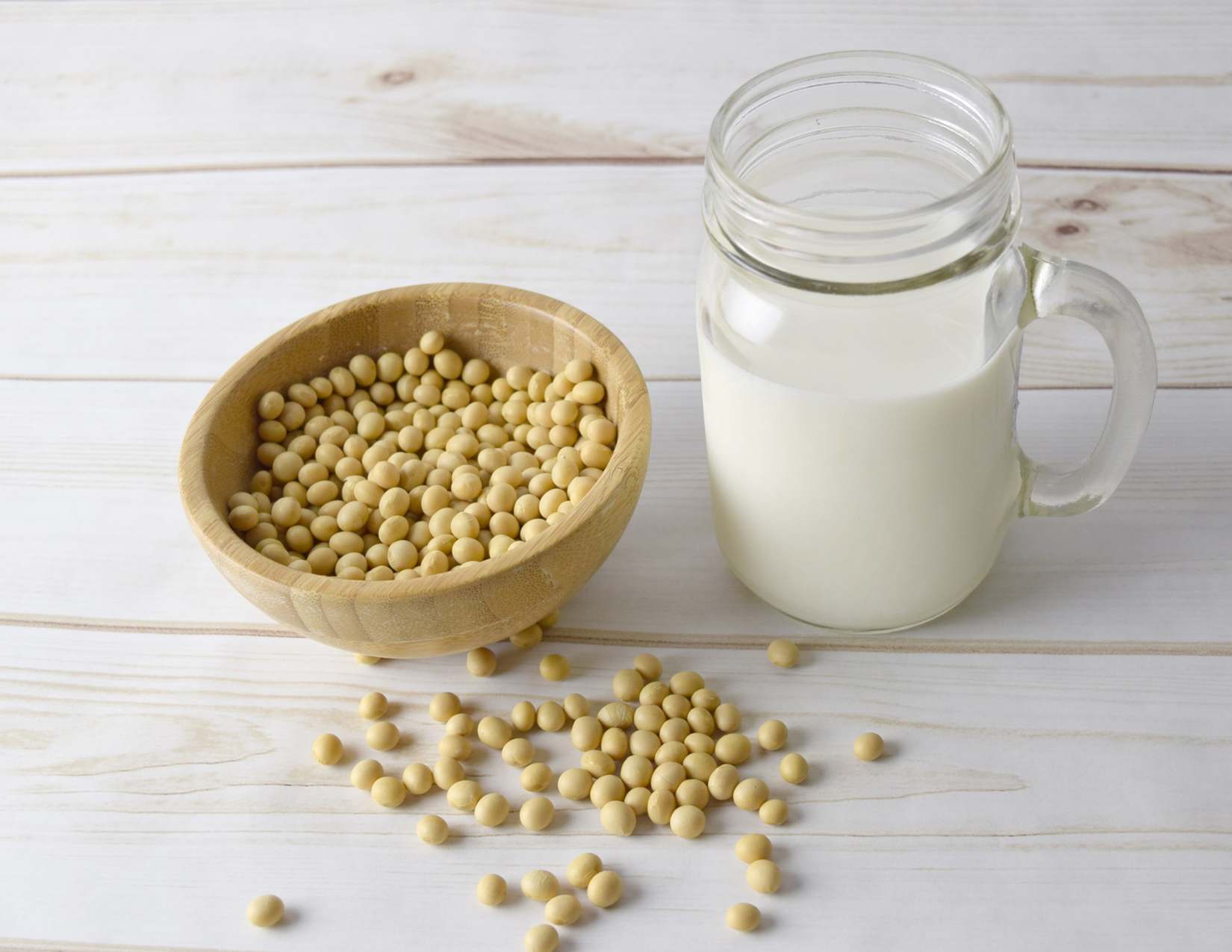
- 2.6% - tofu
- 2% - soy milk
- 2% - tempeh, TVP, etc.
- 13% - oil
- 76% - animal feed
- 37% - poultry
- 20% - pigs
- 5.6% - aquaculture
- The rest goes to other pieces of animal agriculture
- 4% - industry - includes biodiesel, lubricants, etc.
So, tofu, soy milk and other soy products (excluding oil) make up only 6.5% of ALL the soy produced globally? Is that not insane? Estimates show that 5 - 8% of the world is vegetarian, 1 - 2% is vegan, and there are also a ton of other people eating soy in the world who aren't either. Imagine an entirely vegan world, where all of the soy currently feeding animals was used for human food. Instead of 6.5%, it could be 82.5%. Could we feed the world with the current soy production? It feels possible looking at the numbers.
The biggest takeaway here is that when you hear an anti-vegan argument saying that the more people who go vegan, the more mono cropping we will need to feed them, please know that the opposite is true. The more we consume meat and dairy globally, the more mono cropping we will need, because that's exactly what the animals are being fed.
Land Usage
Not only does animal agriculture require more mono crops than a plant-based diet, but it also requires significantly more agricultural land. This is another point that often gets thrown into the conversation. All of you vegan tofu-lovers are destroying the Amazon rain forest. A very interesting and wrong point, because research from Joseph Poore and his colleagues found that animal agriculture uses the most agricultural land while producing the least amount of global calories.
- 29% of the Earth's surface is land
- The other 71% is ocean
- 76% of that land is habitable
- The other 24% is either glaciers or barren land like deserts
- 45% of ALL habitable land is used for agriculture
- Of the agriculture land:
- 80% - used for livestock
- 16% - crops used for human food
- 4% - non-food crops (like biofuels)
To recap, 45% of all the habitable land on Earth is used for agriculture, and 80% of that is used for livestock. So, 36% of all the habitable land on the planet Earth is used for animal agriculture.
On top of that data, even though animal agriculture takes up way more land and resources, plant-based foods still make up 82-83% of all calories consumed by humans globally, while animal-based products supply about 17-18%.
Time for my favorite fun fact! In the documentary Vegucated, they said if the whole world ate like Americans, we would need 3-4 more planet Earths to feed it. The standard American diet is way more meat-centric than most other countries. If we eat more meat, we need more land. If we eat less meat, we need less land.
Animal agriculture is extremely inefficient when it comes to resource and land usage. This makes sense if you think about it. Would you rather have the calories from a cow (I know you wouldn't because if you're reading this you probably don't eat cows) or would you rather have all of the calories that the cow has ever consumed in their life?
What would happen in an entirely vegan world?
While we don't really know exactly what would happen if the world went fully vegan, we can speculate on some things and refer to hypotheses from scientists and researchers.
In the hypothetical scenario in which the entire world adopted a vegan diet, researchers estimate that our total agricultural land usage would shrink from 4.1 billion hectares to 1 billion hectares. I don't need to know wtf a hectare is to know that is a huge reduction. A 75% reduction in land usage. That's equal to the size of North America and Brazil combined.
A vegan world would not automatically eliminate mono cropping, but it does create an opportunity to reduce it.
- We'd need less land usage overall, less feed production, less pasture, and more potential for re-wilding.
- There would be more crop diversity. Instead of soy and corn, we could also grow beans, lentils, peas, vegetables, fruits, nuts, seeds (and obviously still soy). A human plant-based food system would require a lot more crop diversity compared to feeding billions of land animals soy and corn.
- Because we are using less land overall, there would be more room for regenerative practices like:
- Crop rotations - the practice of planting different crops sequentially in the same area over multiples years and seasons.
- Cover crops - plants that are grown primarily to benefit the soil rather than to be harvested for food.
- Agroforestry - intentional land-management system that integrates trees and shrubs with crops and livestock.
- Wildlife corridors - a strip of underdeveloped land that connects isolated habitats. It allows animals to migrate, find food and mate safety, and reduces the risk of human-created dangers like highways. Imagine a world where no chickens had to cross the road!
- Integrated pest management - instead of trying to eliminate a "pest" species entirely, it relies on nature and increasing the biodiversity so that they naturally have a predator. So we'd basically have a real ecosystem again.
- We could also expect to see government subsidies move from mono crops, like soy and corn that are used mainly for animal agriculture, into more diverse crops, maybe even any crops.
Could mono cropping still exist in a totally vegan world?
Mono cropping could definitely still exist in a fully vegan world, but it wouldn't be because of veganism.
How this could happen:
- Profit incentives, like government subsidies, stay in place for mono crops, encouraging farmers to continue growing them.
- Industrial agriculture remains the primary model and it focuses on efficiency over what's best for the environment, humans and animals.
- You could still have soy, wheat and corn mono cultures because the practices and specialized farming equipment already exists.
Some of the solutions that have been brought up to address mono cropping if we did move towards a fully vegan food system:
- Crop rotations to reduce pests, improve soil health and reduce fertilizer usage.
- Cover crops, like clover and rye, that will protect the soil, add nutrients and reduce soil erosion.
- Inter cropping - growing multiple crops together. This creates a better barrier for pest control.
- Urban and vertical farming is great for greens and herbs. It could reduce transportation and land usage, allowing us to grow food in areas that don't have farm land.
- Re-wilding former grazing lands. Since the land that was used for livestock would no longer be needed, it could return to forest, prairies and wetlands which should support biodiversity a lot better.
If mono cropping is something you're concerned with, here are some tangible things that you can do right now as a consumer:
- Eliminate meat and dairy from your diet. As we covered at length in this article, animal agriculture is the largest consumer of mono crops. Eating a plant-based diet is the easiest way to reduce mono cropping.
- Shop local. Farmer's Markets are a great way to support small local farmers who are growing a variety of different crops.
- Grow your own food. If you have a yard, this can be pretty easy. If you don't, check out hydroponic gardens that can sit on your deck and even work well inside with grow lights. They are great for growing greens and herbs. You can also grow herbs pretty easily without specialty equipment and it won't take up much space.
Hopefully this article gave you some tools to argue with anti-vegan trolls better or maybe just gave you some peace of mind that you are not personally responsible for all of the mono cropping in the world! :)
I’m a Chemical Engineer by trade, but love cooking in my kitchen and coming up with new recipes! I also like knitting in straight lines (I can only make scarves and blankets lol), listening to music (rock and Taylor Swift), hiking and disc golfing!
I went vegetarian when I was 12 years old after a middle school teacher of mine mentioned that he was vegetarian for a few years when he was in the Peace Corps. Before then, I had never heard of or met a vegetarian and didn’t know I had a choice in whether or not I ate meat. Several years ago, I read the book “Eating Animals” and immediately went vegan after finally realizing the horrific realities of the dairy and egg industries (spreading awareness is hugely important because many people really have no idea).
How Much Water is Hidden in a Cheeseburger?