Is leather a byproduct?
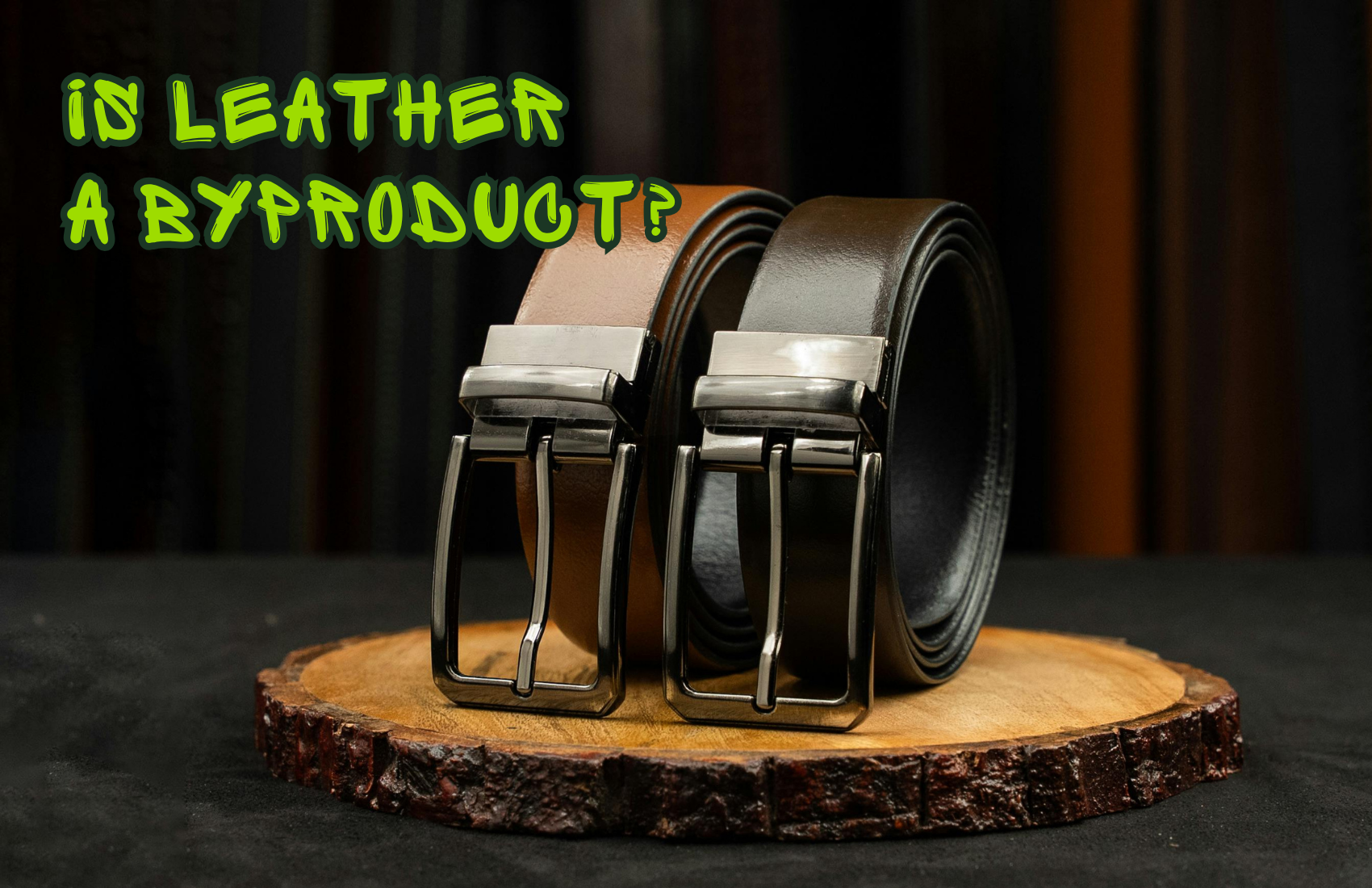
Leather’s role in factory farming is often debated. It is a by-product? Is it a co-product? How important is leather production to farm profits?
In case you don’t know the difference between a byproduct and a co-product, it’s a little subjective, but it’s roughly:
- Byproduct - relatively low value compared to the main product and incidentally created as a result of creating the primary product
- Example: Sawdust from wood
- Co-product - intentionally created and focused on side by side with the main product and relatively high value or even equal value to the primary product
- Example: Gasoline from crude oil
What is leather?
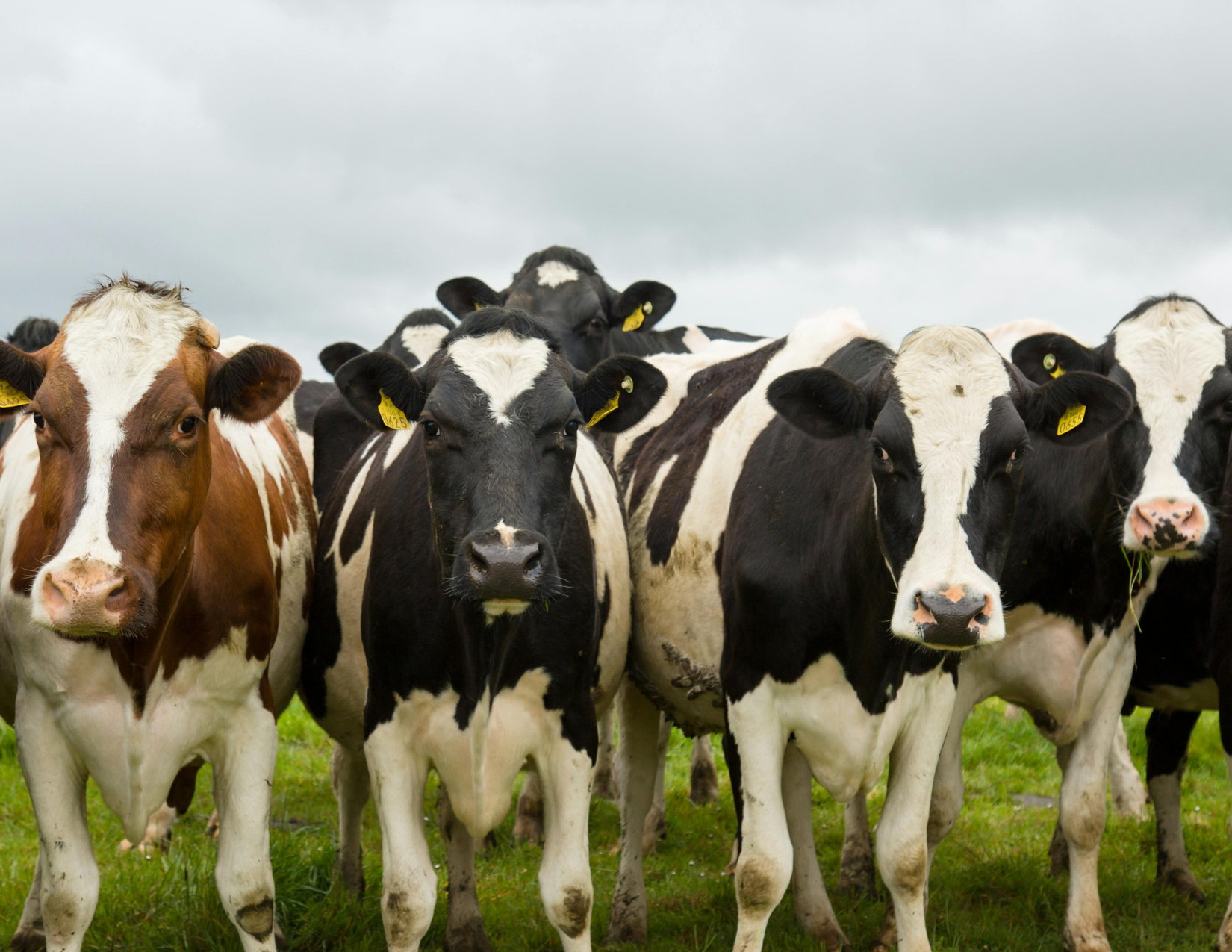
Leather comes from animal hides (skin), and most of the animal hides used for leather are cattle (cow) hides. These raw hides are measured in tonnes and here is the breakdown for 2024:
- 13.8 million tonnes of hides
- 9.4 million from cattle
- 2.2 million from sheep
- 1.5 million from goats
- 0.8 million from buffalo
Leather is mostly used for shoes, but is also used in apparel, home textiles, bags, car seats, and some other random things.
The economics
The general claim from non-vegans is that leather is just a byproduct from an animal that was going to be killed for food anyway, so not using the leather is wasteful. Since they consider it a byproduct, they also don’t consider the purchase of leather to be additionally harmful to the animals or supportive of factory farming.
The truth of the matter is that at the current prices as of 2026, the price of hides is only about $1.61 per hundred-weight of live animal. The entire live animal (for a steer) is about $217.91 per hundred-weight, so that is about 0.7% of the animal’s value, or about $22 for the entire hide of a 1,400 lb steer.
At those prices, the hides that make leather really do seem to be a low-value byproduct by almost any definition. This price fluctuates over time though, and in 2022 it was about $31.50 per hide. Going back further in time, byproducts of a steer, and specifically the hide, were a much larger portion of the total price of the steer. It’s also worth noting that even 0.7%-2% value for a very large cattle farming operation can still be a pretty substantial dollar amount of revenue.
In fact, hides are so low value today, that in some cases they are just being thrown out. About 17%, or 5.5 million hides, failed to enter the supply chain in the US, and were mostly composted, discarded, or destroyed according to the Leather and Hide Council of America.
So if your entire reason for skipping leather is economic, then that argument is getting weaker over time. Most vegans avoid leather for a much simpler reason though, which is that they don’t want to wear skin.
Even if leather is economically considered a low-value byproduct, that doesn’t change the fact that most leather comes from cattle raised in factory farms. That fact doesn’t change no matter what the daily market price of hides is.
The environment
Deforestation
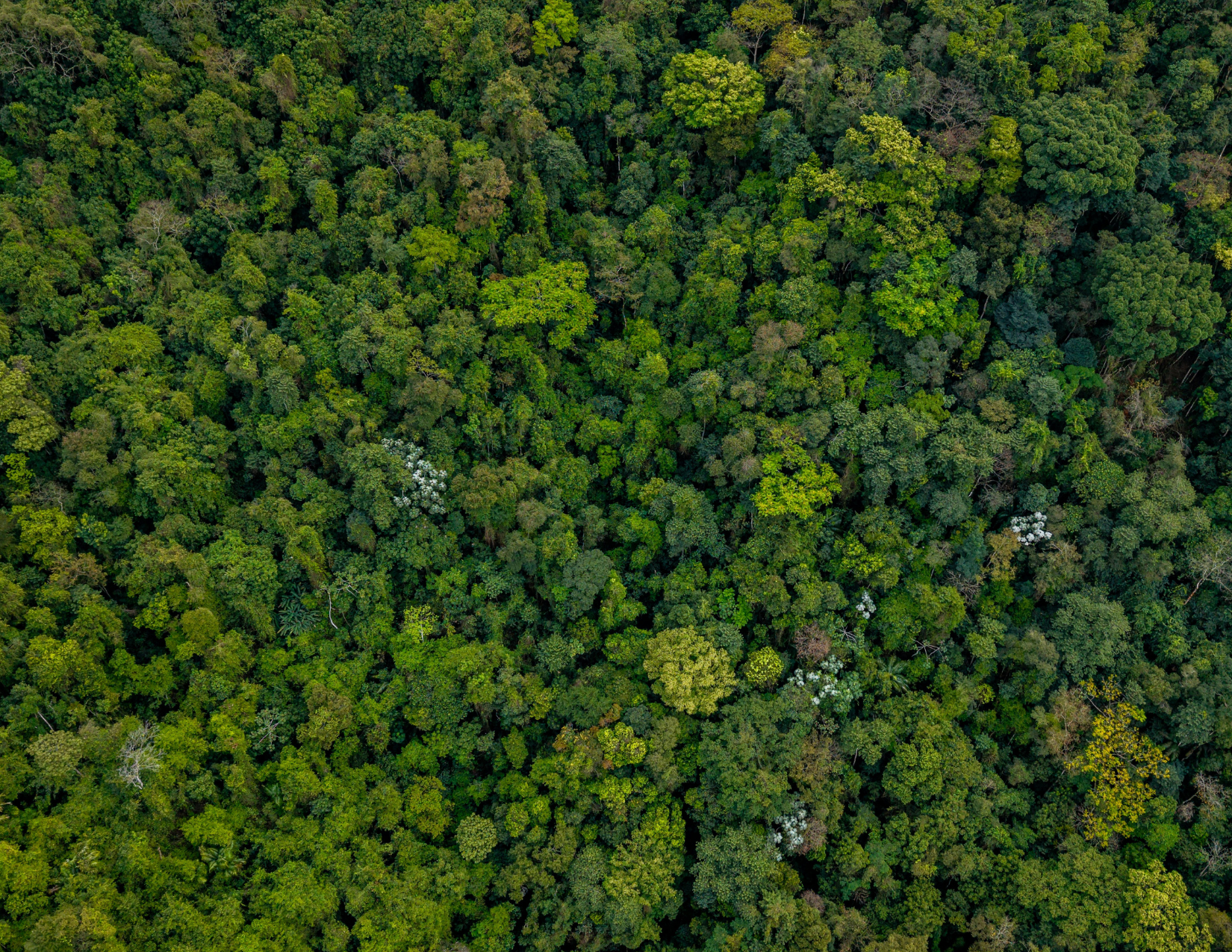
Deforestation is one big concern related to leather, because it’s directly caused by some cattle farms. The cows on those farms are grown for meat, and not specifically for leather, but it’s still an extra kick in the ass when the product comes from a farm that displaced part of a rainforest.
Up to at least 2008, 62% of all deforested land in the Brazilian Amazon ended up as cattle pasture. Soy also contributes to this, but was only 5% of the deforested land.
The Nowhere to Hide report from Stand.earthalso found in customs data that over 100 fashion brands had supply chains links to Brazilian leather exporters. The brands include Nike, Adidas, Zara, Coach, Prada, Ralph Lauren, and others. 30% of the companies identified had a policy against deforestation leather.
Tanning
The other major environmental and human rights concern when it comes to leather is the tanning process. If you aren’t familiar with the term, tanning is the processing that is done to hides and skins to create leather.
According to the chromium industry, around 80% of the world’s leather is chrome-tanned. The problem there is that dangerous chemicals end up in the wastewater, and hexavalent chromium is also produced which causes an allergic reaction when it contacts human skin, and it is also a carcinogen.
Human Rights Watch released a report in 2012 called Toxic Tanneries.
The report covered issues with tanneries in Bangladesh, including concerns like river pollution, young children working with the chemicals, and gruesome medical issues like skin disease, amputations, and respiratory illness.
The point being, the chrome tanning process is horrible, dangerous, and polluting, all for the purpose of creating leather.
Vegan leather
So if genuine leather has some major ethical concerns, should we just use vegan leather instead?
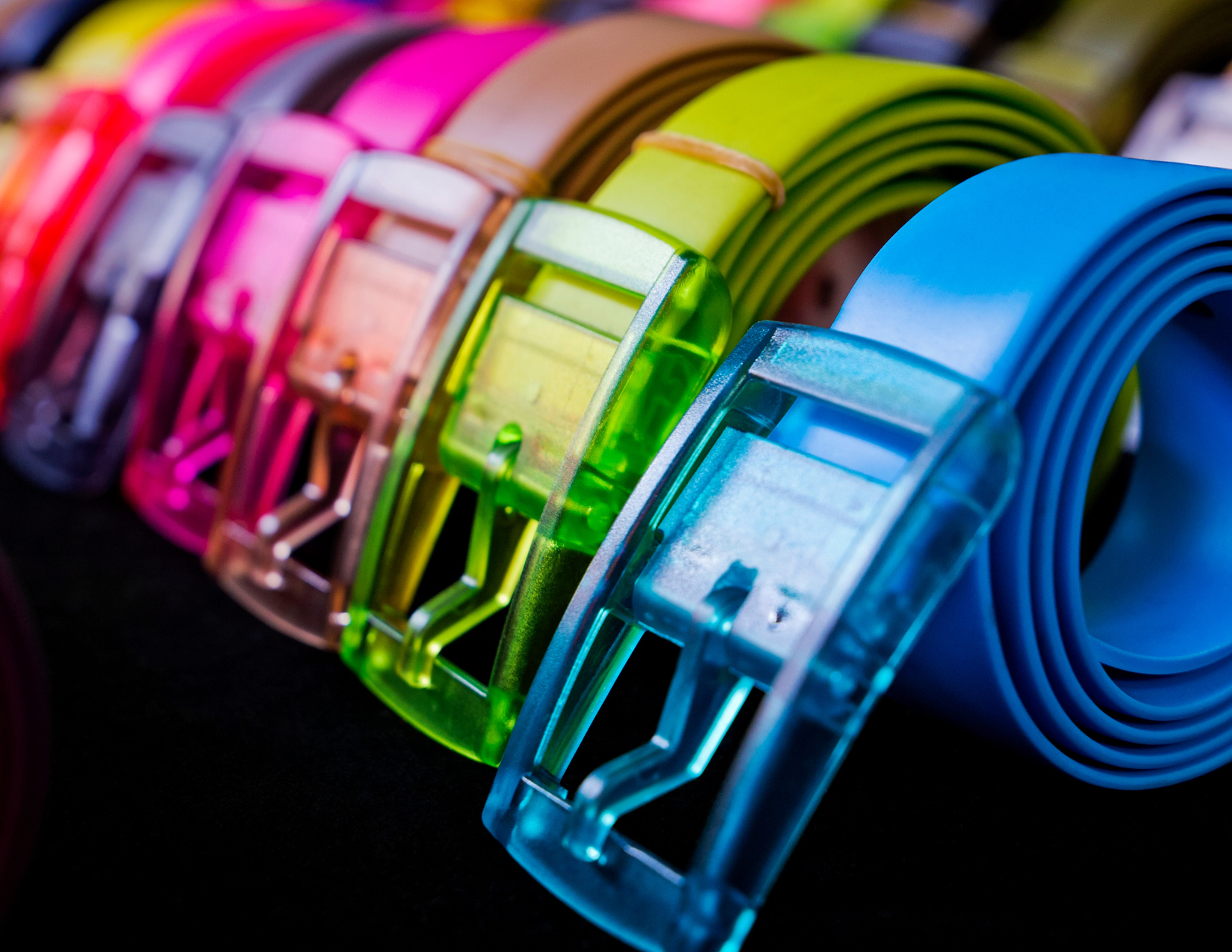
Well, unfortunately, most vegan leather is just plastic or PVC attached to a fabric backing. It also doesn’t last nearly as long as leather and it also doesn’t biodegrade. There are some newer plant-based alternatives popping up, but those also use some plastics to hold them together in most cases.
Plastic also has its own environmental and human health issues during its creation and processing, so this isn’t automatically a better or more sustainable option.
On the bright side, there are a lot of companies working on newer material alternatives according to the Material Innovation Initiative. For the time being though, a $40 vegan leather boot is not going to compare on durability to a $300 genuine leather boot.
Most vegans aren’t even opting for vegan leather though. They’re just wearing different materials altogether like canvas, cotton, rubber, and wool-free synthetics. Even for shoes there are vegan composite and synthetic materials that aren’t vegan leather.
With all of that said though, most vegans would rather wear plastic than skin, even if plastic has problems.
Life as a vegan
Leather you already own
First of all, if you’re a new vegan, what should you do with the leather you already own?
This is a bit of a gray area, and different people handle it in different ways. I don’t think there’s any right or wrong answer here. I think most people would agree that there isn’t an ethical concern with continuing to use leather that you purchased before you were vegan, if that is what you prefer to do.
Personally, I do still have an old leather belt and some old leather boots that I had long before I went vegan, but I haven’t had a need to wear them in a long time since I have vegan alternatives now. Since they are still in good shape, I probably won’t throw them away, but they are a bit too used and/or dirty to be donated.
Second-hand leather
Speaking of donating, what’s the deal with second-hand leather that you might find at a thrift shop?
This is another area where vegan opinions diverge. I think you could make an argument that buying leather second-hand could cause some non-vegan out there looking for a leather jacket to go buy a new one if they can’t find the one you bought at the thrift shop. It’s an edge case, but it’s plausible enough that I personally don’t buy second-hand leather.
Since it doesn’t directly increase demand for new leather products though, many vegans don’t have concerns with buying second-hand leather. So, if you have some reason or desire to buy a leather product as a vegan, then you shouldn’t feel like you’re breaking an ethical code if you pick up a product from the thrift shop.
Leather on random things
Sometimes you will buy something and not realize until later that it had some leather in it you weren’t even aware of. Steering wheels, couches, watch straps, small parts on otherwise non-leather shoes, etc. You will inevitably accidentally buy non-vegan things throughout the course of your life as a vegan. Just do your best and don’t sweat it. Shit happens.
Summary
To recap what we’ve talked about here:
- Leather is skin, usually cow skin
- Calling it a byproduct is fair in economic terms
- Tanning is a human rights and environmental issue on top of the animal rights issues on the farm itself
- Most vegan leather is plastic, which also isn’t great for the environment or humans, but at least it’s not skin
- How you handle leather you already owned and/or second-hand leather is a personal choice, and shouldn’t feel like a moral choosing no matter where you land on the issue
I hope this helped you understand something about leather that you didn’t know before. Before we researched this for the podcast episode, I had no idea that cattle farming had a deforestation impact.
If you’re not a vegan (yet) and you came across this article, I hope it convinced you to at least re-consider leather when it’s not absolutely necessary.
I’m a NASM Certified Personal Trainer (NASM-CPT), NASM Certified Nutrition Coach (NASM-CNC) and a USA Weightlifting Level 1 Coach.
I take the things that actually matter for results like training principles, nutrition basics, and evidence-based strategies and turn them into clear, usable guidance.
I care a lot about accuracy and transparency. When it matters, I cite sources, explain tradeoffs, and update content as recommendations change.
How Much Water is Hidden in a Cheeseburger?