Pink Poop Lagoons: Bad for Literally Everyone
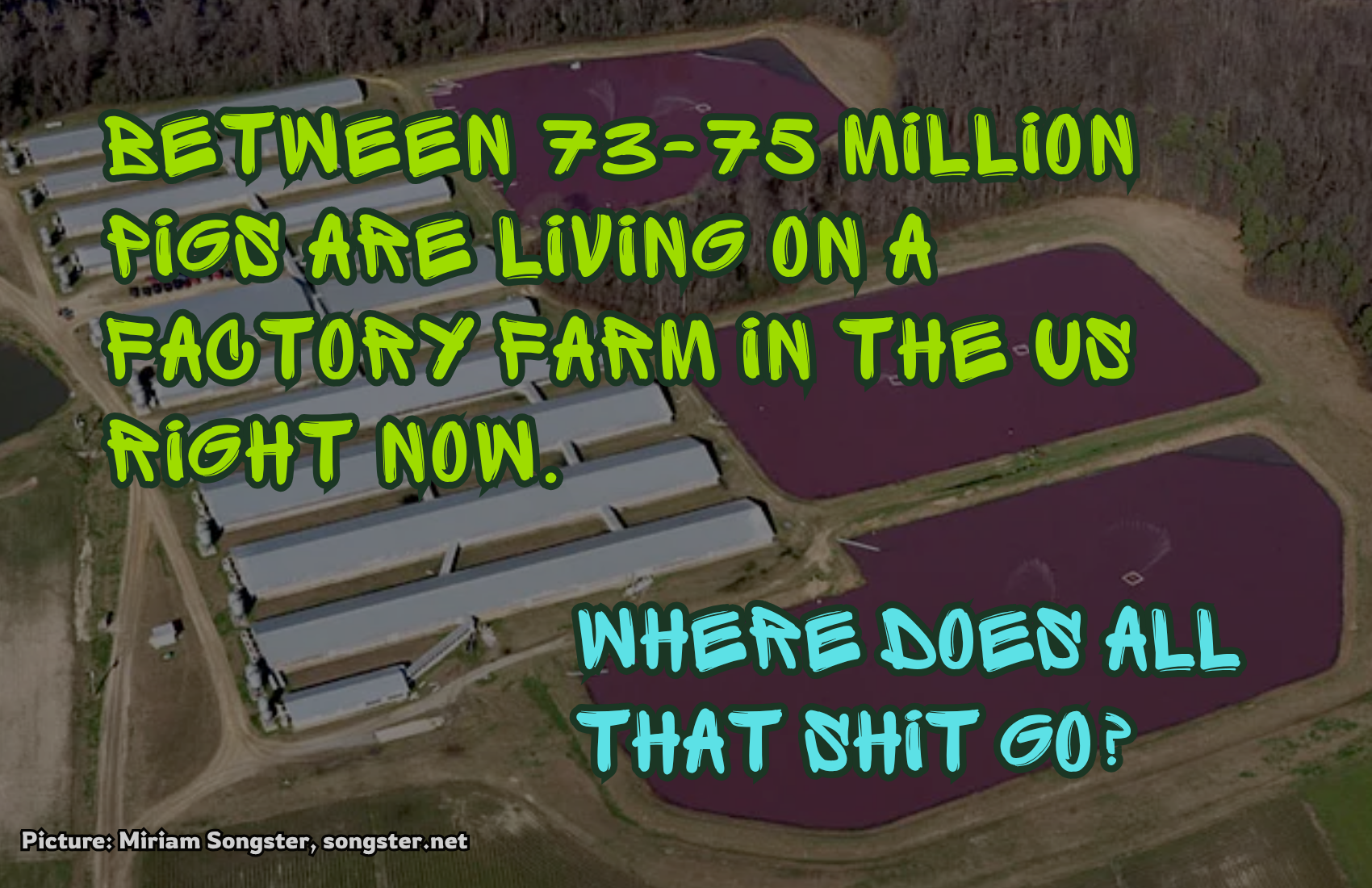
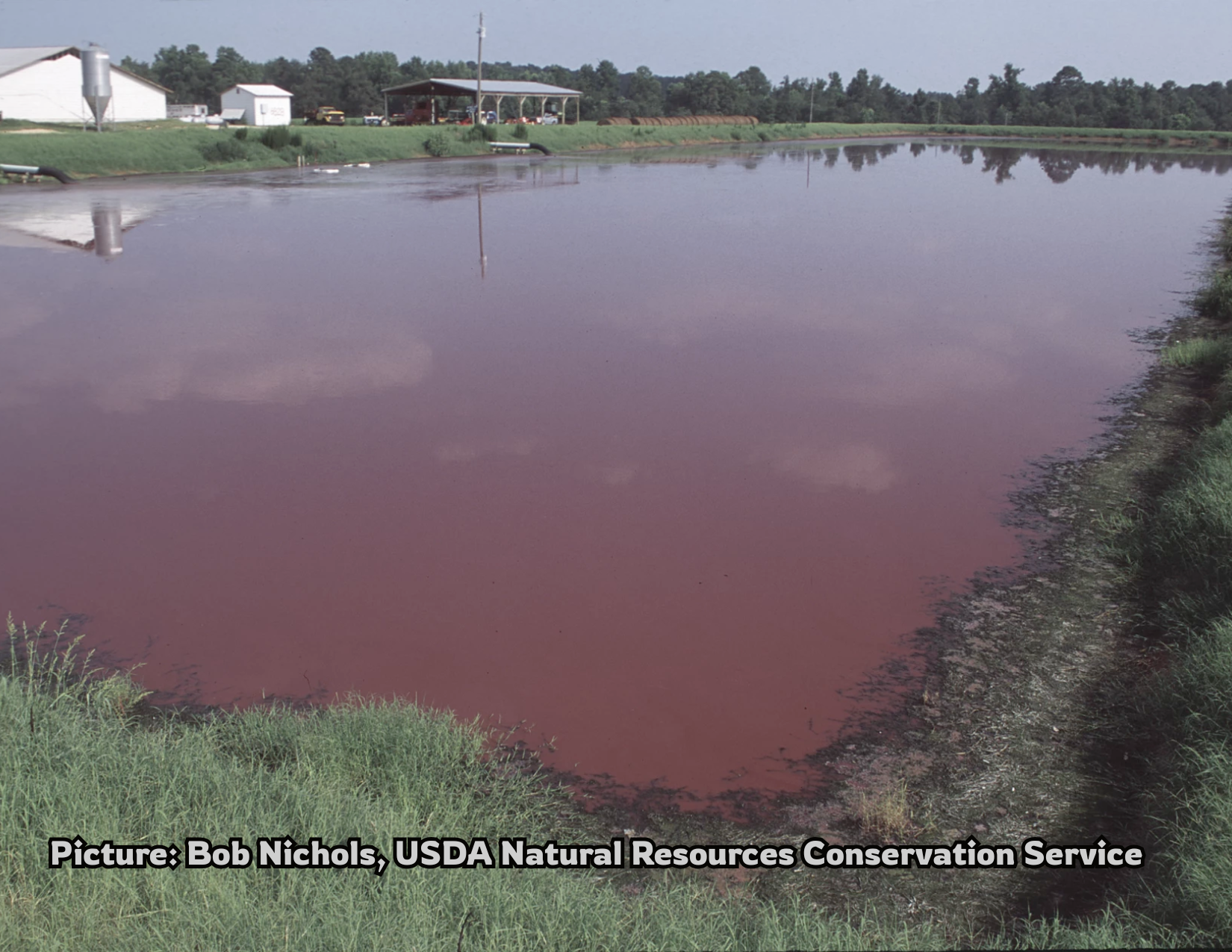
Imagine you bought a nice house in the country and then you find out you're actually living very close to a bright pink lake the size of multiple football fields. Your first thought would probably be "how did they get the water so pink?". You'd soon find out that large lagoon isn't full of water, but actually millions of gallons of untreated pig feces and urine (among other things).
It's not just bright pink, it also smells like ammonia and rotten eggs. The waste doesn't just stay in the lagoons either, it gets sprayed into the air where it can drift onto nearby homes and cars. Could be your car or home. Though this sounds like a dystopian hell dimension, it's actually our reality. We are in the bad place, and this is how the majority of the American pig industry manages their waste.
How Much Waste Is It?
According to the Sentience Institute, it's estimated that 98.6% of all farmed pigs in the US are currently living in factory farms. That means, at any given time, 73-75 MILLION pigs are living in factory farms.
When we talk about factory farmed pigs, we are specifically talking about pigs that are part of a CAFO, Concentrated Animal Feeding Operation, for more than 45 days. A modern CAFO houses thousands, and sometimes even tens of thousands, of pigs indoors.
There are slatted floors so that manure and urine can fall beneath the building. The waste is flushed with water and then pumped into massive outdoor lagoons, the pink pig waste lagoons.
These lagoons are not treatment plants. Most of them are just large open-air storage pits, usually lined within clay (instead of concrete), which means that this waste can seep into the ground. They contain untreated feces, urine, blood, bacteria, pharmaceuticals, parasites and antibiotic residue.
Unlike municipal human sewage, this waste is not mechanically or chemically treated before entering the waste lagoons. These lagoons are pretty much universal for modern pig farming.
If you happen to be in our Book Club, you may remember this statistic. From the book Eating Animals (by Jonathan Safran Foer):
America's leading producer of pork, Smithfield, alone, kills more individual hogs than the combined human populations of New York City, Los Angeles, Chicago, Houston, Pheonix, Philadelphia, San Antonio, San Diego, Columbus, Austin, Fort Worth, and Memphis - some 31 MILLION pigs.
According to the conservative EPA figures, each hog produces 2-4 times as much shit as a human. In Smithfield's case, the amount of fecal waste that is produced from their pigs alone is equivalent to the amount of shit produced from the entire human population of the states of California and Texas combined.
This book was published in 2009, so the numbers may be larger now.
Why Are the Lagoons Pink?
The lagoons turn bright pink because of the presence of specific anaerobic bacteria, purple sulfur bacteria, which thrive in the nutrient-rich, oxygen depleted environment of the waste pits. The bacteria digest the pig poop mixture and produce the distinct magenta color that's often seen at factor farms.
Why isn't the Waste Treated?
One of the main questions I had while researching this is why do we treat human waste, but pig waste is legally allowed to remain untreated?
If you didn't know, when you flush your toilet at home, the waste water typically goes to a municipal treatment plant where it undergoes a few things.
- Primary treatment - solids are removed
- Secondary biological treatment
- Sometimes even a tertiary treatment - nutrient removal and filtration
- Disinfection with either chlorine or UV
- Monitoring and sampling because it can be discharged
We follow all of these steps for human waste because of the Clean Water Act of 1972. The purpose of this act is to restore and maintain the chemical, physical and biological integrity of the nation’s waters by regulating pollutant discharges and setting surface water quality standards. If you’ve ever worked in any kind of operating plant, like a refinery, you’ll be familiar with this, because under this act, the EPA has implemented pollution control programs such as setting wastewater standards for industry.
Why is pig waste not managed the same way as human waste?
To answer this, we have to look back at traditional ways of farming. In the past, pigs were free-roaming in large fields. There was plenty of space and there was never too much manure for the land to absorb. The manure would go back into the farmland and crops would use those nutrients, like a fertilizer, to grow.
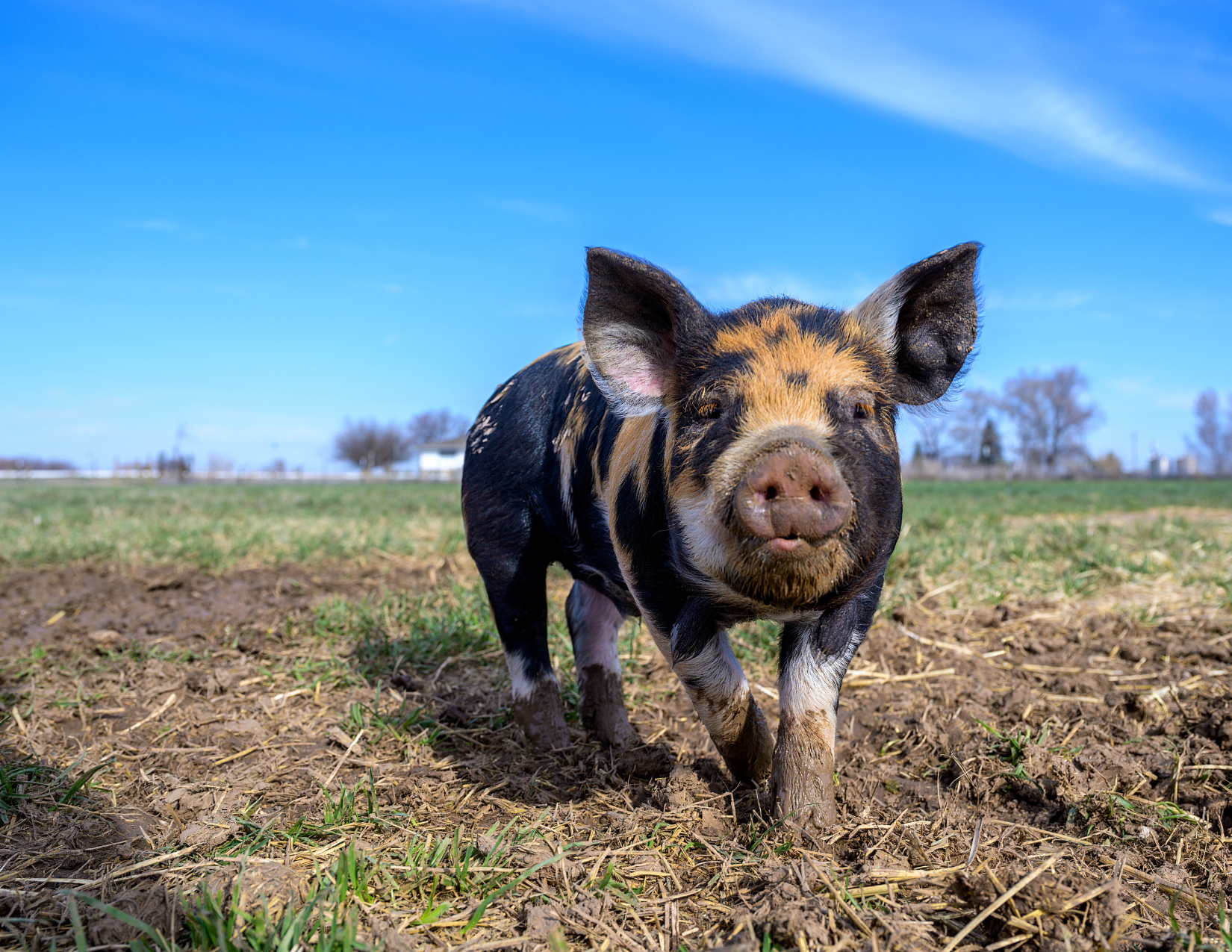
Because of traditional farming practices, regulators have historically viewed manure as a valuable agricultural fertilizer, and not industrial waste. It is still viewed this way today even though modern-day farming practices don't even resemble historical practices.
Today we are cramming tens of thousands of pigs into small enclosed areas, collecting their waste and putting it into massive lagoons.
The lagoons are still allowed because they are only supposed to act as temporary storage until conditions become suitable for the land to accept the manure. Once the conditions are acceptable, they will spray the manure in the fields (essentially to get rid of it), and that causes a bunch of other issues that we will get into.
Land Application
After lagoons fill up, large irrigation canons are used to spray liquefied manure onto the nearby fields. The industry calls this "land application".
This waste can contain pathogens, heavy metals, ammonia, methane, hydrogen sulfide, carbon monoxide, cyanide, phosphorus, nitrates, and antibiotic resistant bacteria. It also houses more than 100 microbial pathogens that can make humans sick including Salmonella, Cryptosporidium, Streptococci and Giardia.
Human Health Impacts
The manure spray can reach nearby homes and drinking water sources. Some residents say a fine mist of manure sprinkles nearby homes, cars and even laundry left out to dry.
The odor plume, which reaches nearby communities, contains respiratory and eye irritants. A growing body of research suggests that these emissions may contribute not only to mucosal irritation and respiratory ailments in nearby residents but also decreased quality of life, mental stress and elevated blood pressure.
From the book Eating Animals, children raised on the grounds of a typical hog factory farm have asthma rates exceeding 50% and children raised near factory farms are twice as likely to develop asthma.
Communities living near these farms often complain about problem with persistent nosebleeds, earaches, chronic diarrhea and burning lungs.
Because factory farms notoriously give their animals loads of antibiotics, the manure may also contain:
- Antibiotic residues
- Antibiotic-resistant bacteria
- Resistance genes
Researches are currently studying how these organisms move through soil and water and what it might mean for human health.
Drinking Water
Nearby water can also be contaminated with parasites, viruses, hormones, pharmaceuticals, nitrates, pathogens and antibiotic resistant bacteria in hog waste. Pig manure contains a large amount of nitrogen. Nitrogen converts to nitrates which can move through the soil and contaminate groundwater and private wells.
High nitrate levels are particularly dangerous for infants because they can get Methemoglobinemia (blue baby syndrome), a condition that reduces the blood’s ability to carry oxygen.

Environmental Impacts
Aside from the human health implications, there are many environmental ones as well.
The pig industry wants you to think that the ground can actually hold this large amount of manure, but the fields often become oversaturated and the nutrients run into nearby streams. They have found evidence that nutrients wash into creeks and rivers from the fields where farmers spray manure or inject it into the soil, as is common in the Midwest.
Hog waste is rich in nitrogen and phosphorus, which plants need to grow. But when too many nutrients flow from fields into waterways,
- Algae rapidly grows.
- Algae blooms form.
- Algae dies.
- Bacteria decomposes the algae.
- Oxygen is consumed in the decomposition process.
- Fish and other aquatic life can suffocate due to lack of oxygen.
- This doesn't just impact fish, but can also affect insects and birds that interact with these aquatic habitats.
This can contribute to dead zones or hypoxic zones. Fish will leave if they are able to, and if not, they die. Bottom dwelling animals are particularly vulnerable to this.
When manure enters waterways, it can consume the oxygen in the water, increase ammonia concentrate, introduce pathogens, and smother the habitat with organic material. This can, and has, resulted in the deaths of thousands, and sometimes millions, of fish.
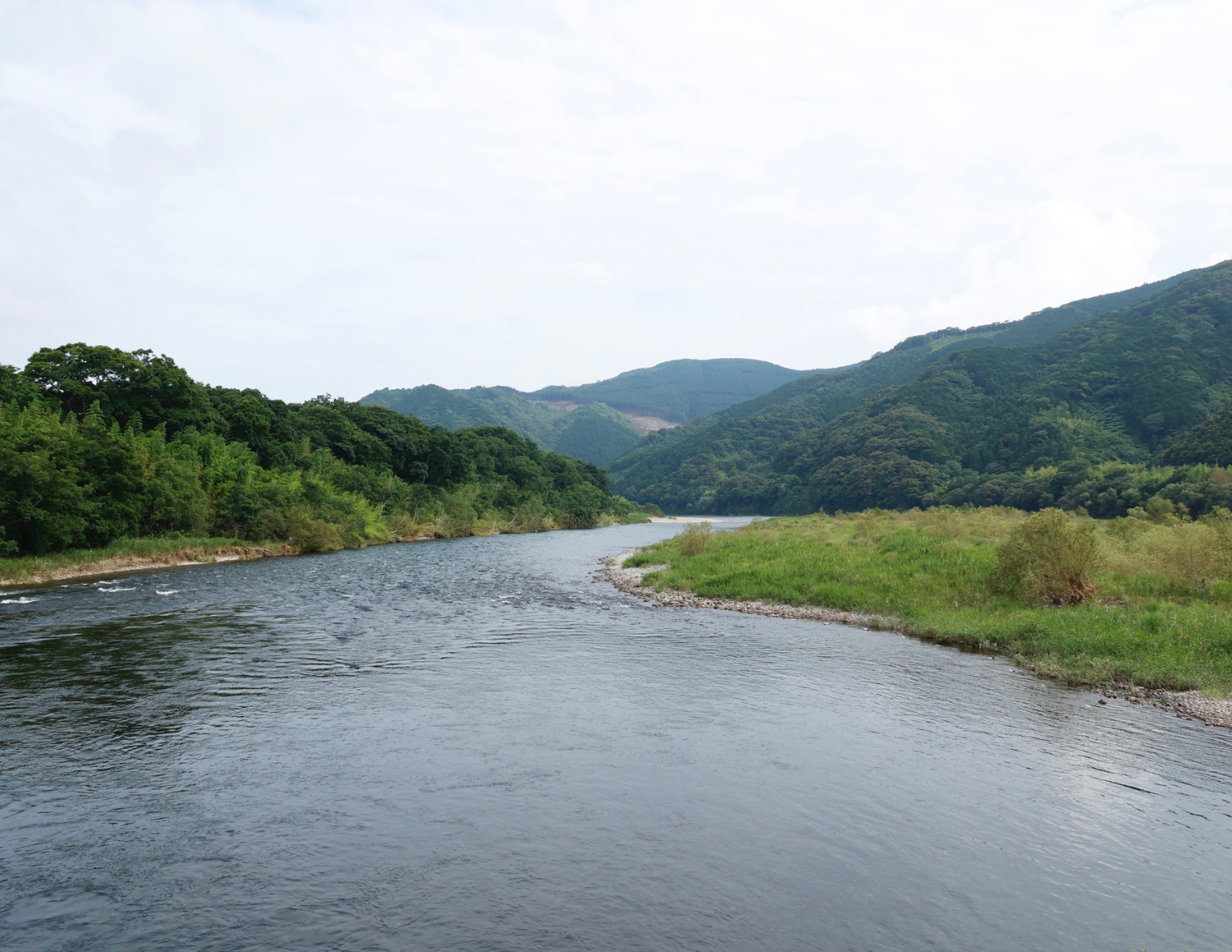
In 1995, Oceanview Farms had a berm around an 8 acre hog waste lagoon fail. It spilled 25 million gallons of untreated hog waste into nearby streams and eventually the New River. (For some perspective, the infamous Exxon Valdez incident spilled 11 million gallons of oil).
The manure was so destructive because it depleted the oxygen in the water. Researchers documented that within just two days, a 17 mile stretch of river had become anoxic (without oxygen).
The USDA summarized the event saying that it killed virtually all aquatic life along approximately 17 miles of the New River between Richlands and Jacksonville.
Conservative estimates by the EPA indicate that chicken, hog and cattle waste has already polluted 35,000 miles of rives in 22 states.
Pig factory farming specifically contributes approx. 9-13.7% of all global livestock greenhouse gases. On a broader scale the global pork industry is responsible for generating 747 million metric tons of CO2 annually which represents 1% of all human-made greenhouse gas emissions.
Environmental Justice
Research has consistently found that industrial hog operations in eastern North Carolina are disproportionately black, latino, native and lower-income communities and neighborhoods.
Not only are the residents likely to experience odor, air pollution, contaminated wells and drinking water, but they also end up with reduced property value living so close to one of these farms.
There have been debates on whether or not these farms are intentionally choosing locations with a large population of minorities and low income households or if the house values have depreciated such that communities change once a factory farm moves in. Most studies show that it’s actually the former. Research has also shown that people who have the financial independence to move away from these areas do, which creates even more disparity.
A North Carolina study reported nine times more hog CAFOs in areas where there was more poverty and higher percentages of nonwhite people even after adjusting for population density as a measure of rural location and cheaper land.
Oftentimes, these areas have less political power to oppose the construction of new facilities like these.
Hurricanes
There's also the issue of hurricanes in some of these areas, specifically North Carolina, which has made everything worse.
Many of these lagoons sit in flood-prone coastal area and hurricanes increase the risk of overflow. During the more recent major hurricanes Floyd (1999) and Florence (2018), numerous lagoons overflowed which released waste into rivers and flood waters. North Carolina had at least 50 lagoons overflow in the wake of Hurricane Florence.
Work Safety Impacts
Something rarely discussed is that decomposing manure can kill you in seconds. The decomposition creates Hydrogen Sulfide, Methane, Ammonia and Carbon Monoxide. The deadliest, by far, is Hydrogen Sulfide (H2S). OSHA has described it as one of the leading causes of workplace gas inhalation deaths in the US.
H2S smells like rotten eggs at low concentrations, but at higher concentrations, you could lose your sense of smell almost immediately, which could make you think the danger is gone. It's denser than air so it will stay close to the ground, making it more dangerous. You can literally collapse after a single breath of H2S and die within minutes.
Manure is particularly dangerous, because when it sits undisturbed, it's mostly fine, but manure is constantly decomposing. When it's stirred, pumped, agitated or mixed, large amounts of trapped H2S and other asphyxiants can be released all at once. This can create lethal (and invisible) clouds around manure pits, pump rooms, storage tanks and enclosed barns.
Because of this multiple-fatality incidents are common. If you are unfamiliar with this term, it's when one worker enters a dangerous atmosphere and collapses. Another worker may see the collapsed worker, potentially think they've had a heart attack or something, they go to rescue the first worker, and then they collapse. Both workers (and sometimes more than two) die.
H2S is especially dangerous in confined spaces, because you have limited ways to exit and little air circulation.
Recent Fatalities
In 2015, a 31 year old worker at an Ohio Pig Manure Facility was loading pig manure into the trailers where he was overcome by H2S and died.
In 2025, six workers were killed in one of the deadliest recent agricultural gas accidents at a Colorado dairy facility.
- A manure pipe was disconnected.
- H2S filled the pump room.
- Two workers collapsed.
- Four other workers attempted rescue.
- All six died.
- OSHA later cited the companies for multiple safety violations related to atmospheric hazards, hazard communication and worker training.
From the book Eating Animals:
- A worker in Michigan, repairing one of the lagoons, was overcome by the smell and fell in.
- His 15 year old nephew dived in to save him, but was also overcome.
- The worker's cousin went in to save the teenager, but was overcome.
- The worker's older brother dived in to save them but was overcome.
- The worker's father dived in.
- They all died.
Are these farms regulated by OSHA?
The first thing I thought while digging was mostly wtf? I have worked at multiple refineries, so I know a thing or two about the dangers of H2S. For reference, at a Refinery (and usually any processing plant with H2S hazards), here are some of the precautions that would be taken to protect workers:
- Everyone must wear personal H2S monitors. These alert if there is H2S in the area, and we are trained to walk upwind.
- Most facilities also have continuous gas monitors placed in areas where there could be H2S leaks. These monitors will alarm in the control room if leaks have been detected so immediate action can be taken.
- For entering confined spaces, initial and continuous air testing is done.
- There are permits where the risks are discussed.
- Someone is always monitoring the confined space.
- Most operating facilities have a confined space rescue team trained to safely rescue workers.
- There are also SCBAs (self-contained breathing apparatus) available so that people can safely enter hazardous atmospheres.
- Detailed safety procedures, including emergency procedures.
- Tons of safety training that covers any hazards workers may come in contact with.
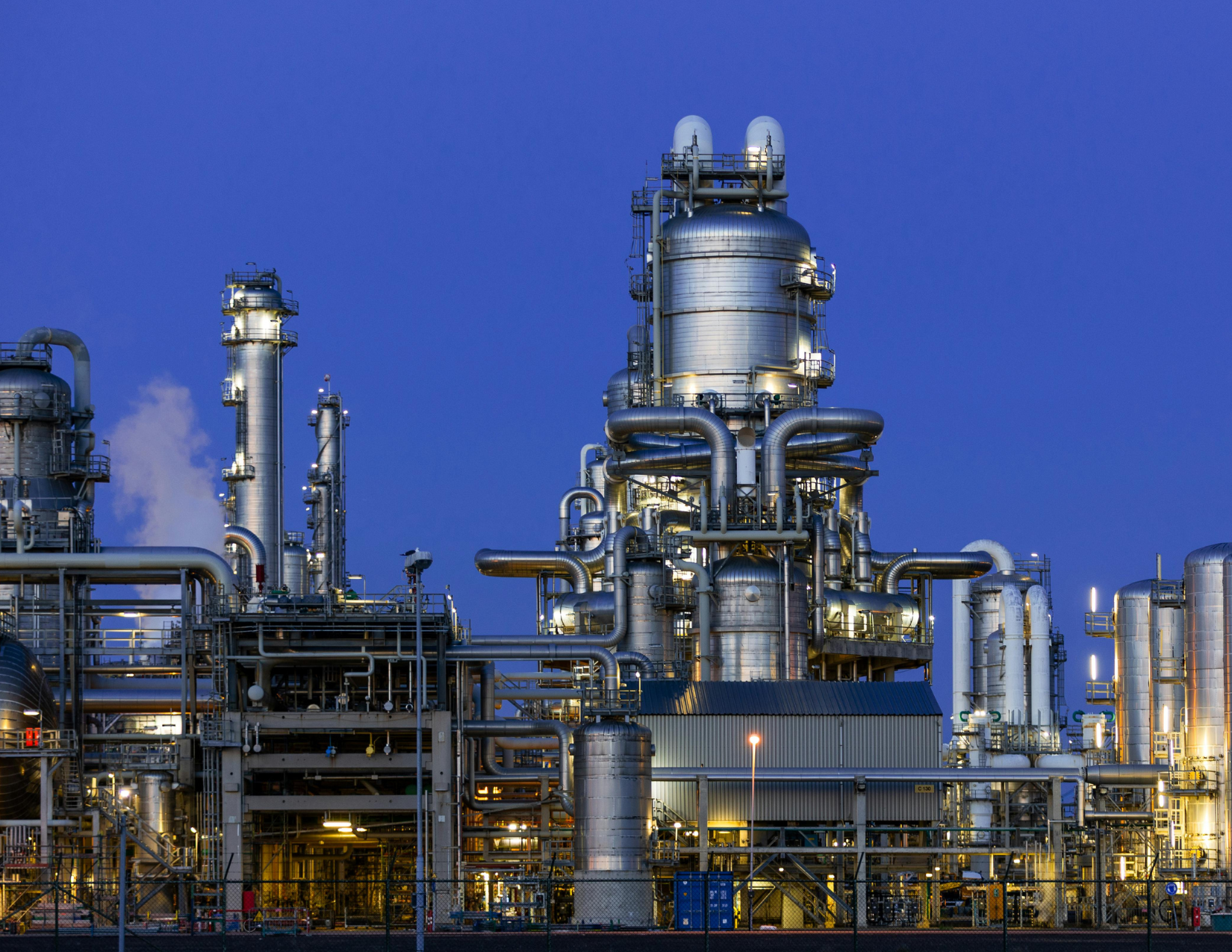
While I cannot say with extreme certainty whether or not all factory farms have this level of safety at their facilities, I researched quite a bit and it appears that most do not. A lot of the protections I listed above are expensive and some of them even require engineering design. Most farming operations don't have the safety expertise, engineering controls or even emergency procedures to handle these risks. Even though manure gases can become deadly under the right conditions, there is very little safety infrastructure at most farms.
OSHA does regulate agricultural workplaces, but there are some major regulatory exceptions.
Unlike refining, chemical manufacturing, and wastewater treatment, many farming operations are subject to different regulatory treatment. OSHA is prohibited by congressional appropriations language from conducting programmed inspections on many farms with 10 or fewer employees that do not maintain a temporary labor camp, although this exemption does not apply in every situation (such as after fatalities or formal complaints). This significantly limits routine enforcement on many farms.
That means there are fewer inspections, less frequent enforcement and greater reliance on employers to recognize hazards.
To add some additional perspective, at a refinery (or other chemical plant), you have all of these protections that are legally required to protect workers. Interestingly enough, you would never actually expect H2S to be present when walking around these facilities, because it's contained inside of pipes and vessels. You really only end up with H2S if you have a leak, which would be abnormal. On the opposite end of the spectrum, most farms have none of these protections, yet the danger is always present. It is not contained in a sealed vessel or inside of pipes. It sits open to air. It is not unusual to encounter H2S at a farm like it is at a refinery and, still, there are very limited protections.
Another interesting data point worth mentioning while we’re talking about worker safety, is that it’s estimated that approximately 68% of hog farm personnel in the US are foreign-born. Which means English may not be their first language, and could make understanding the safety risks much more difficult. Even if they do understand the risks, they may be more desperate to take on dangerous work.
My two cents as a chemical engineer who's worked at dangerous places with H2S - the regulations around factory farms need to be updated. They are outdated, not inline at all with current practices, and the working conditions are unsafe.
We're no longer dealing with Pat's backyard pig farm where there are just thirty pigs and they're all running around pooping freely. Farms are now not much different than massive manufacturing plants, and they are producing waste that is both hazardous for the workers, nearby communities and the environment, and they shouldn't be getting a free pass.
I personally think the best way we as individuals can make a difference on this front is by spreading this information. Most people genuinely have no idea what is happening on factory farms. Even if we can't get them to care about the animals (which sucks by the way), we might be able to persuade them on the basis of public health, environmental issues and worker safety. It's also important to vote every election and for candidates that care about these issues.

I’m a Chemical Engineer by trade, but love cooking in my kitchen and coming up with new recipes! I also like knitting in straight lines (I can only make scarves and blankets lol), listening to music (rock and Taylor Swift), hiking and disc golfing!
I went vegetarian when I was 12 years old after a middle school teacher of mine mentioned that he was vegetarian for a few years when he was in the Peace Corps. Before then, I had never heard of or met a vegetarian and didn’t know I had a choice in whether or not I ate meat. Several years ago, I read the book “Eating Animals” and immediately went vegan after finally realizing the horrific realities of the dairy and egg industries (spreading awareness is hugely important because many people really have no idea).

Is leather a byproduct?